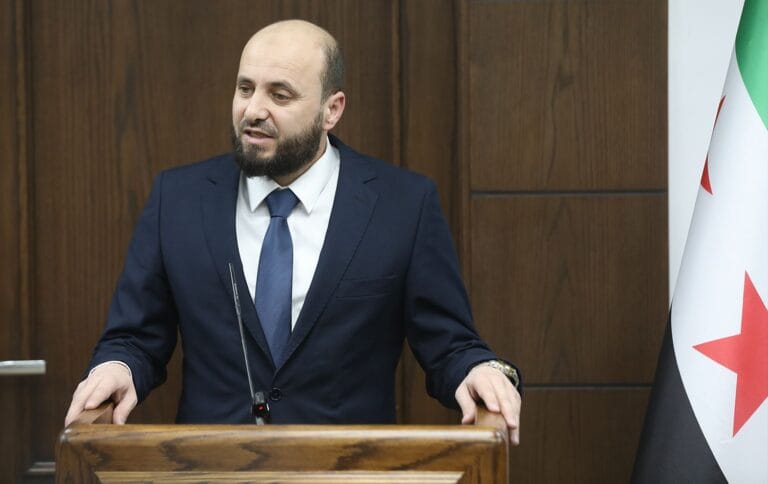
Damascus, Syria – The Syrian People’s Assembly Bureau has agreed to hold a hearing with Energy Minister Mohammed al-Bashir to discuss the decision to raise fuel prices. This comes after a wave of public protests against the new price list issued by the ministry on Sunday.
Parliamentary session to discuss the decision
The People’s Assembly is scheduled to hold a hearing next Thursday at 12:00 PM at its headquarters in Damascus. The date was set at the request of the head of the Energy Committee, Iqbal Muhammad Mansour.
The council explained via its Telegram channel that the request to hold the session came after a meeting of the Energy Committee on Sunday. It added that the request was based on Article 30 of the Constitutional Declaration and in accordance with Article 168 of the People’s Assembly’s internal regulations.
The session aims to hear explanations from the Ministry of Energy regarding the reasons for the increase in fuel prices. Additionally, the circumstances and considerations surrounding the issuance of the new price bulletin will be discussed.
Public anger and road blockades
The decision to raise fuel and energy prices sparked outrage in several Syrian regions. This anger led to the blocking of international roads, particularly in the eastern and northern parts of the country.
Protesters in rural Hasakah blocked the M4 highway, preventing tankers transporting crude oil from passing, in protest against rising fuel prices. This comes amid concerns that the decision will impact transportation costs and the prices of goods and services, given the already difficult living conditions.
Several areas in eastern and northern Syria are facing economic, security, and administrative challenges. As a result, any increase in fuel prices makes the population and various economic sectors highly sensitive to its impact.
The ministry justifies the increase by citing rising costs.
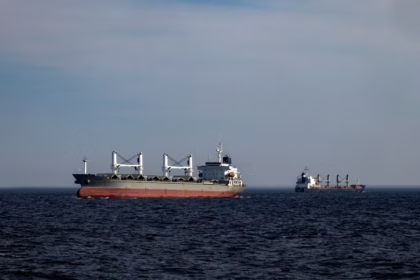
The Syrian Ministry of Energy explained on Sunday that the increase in fuel prices was due to an exceptional rise in the cost of securing these materials in global markets. Simultaneously, the Banias refinery underwent maintenance work.
The ministry stressed that the price adjustment is temporary and aims to ensure the continuity of supplies and the availability of petroleum products in the local market.
The People’s Assembly session is expected to allow the Minister of Energy to provide further details regarding the mechanism for determining the new prices and their connection to import and production costs. The session will also address measures that can be taken to mitigate the impact of the decision on citizens and markets.