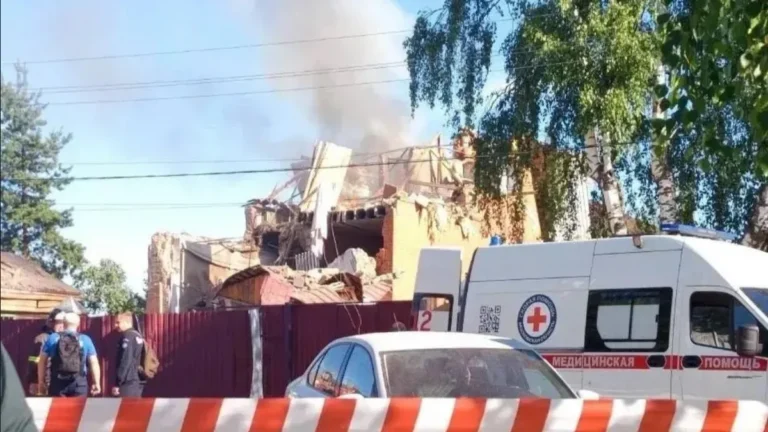
Moscow, Russia – Russian state authorities published updated aerial strike casualty figures today. Official reports confirm the Russia Gelendzhik attack death toll rises to six fatalities. State news agency TASS confirmed dozens sustained injuries across the Black Sea resort city. Defense institutions and emergency medical response units monitor disclosures departing Moscow closely. Deploying emergency rescue crews rapidly contributes toward transferring critically injured citizens toward regional hospitals. Emergency personnel intensify cleanup operations removing structural debris following heavy explosions. Global capitals anticipate official forensic reports departing the Russian Defense Ministry. The Russian government works fortifying coastal air defenses across southwestern territories. Local authorities insist identifying military units launching long-range unmanned aerial vehicles. Medical teams maintain providing specialized emergency care supporting wounded survivors continuously. Moscow seeks safeguarding critical national infrastructure against long-range cross-border strikes. Strategic directives focus upon elevating radar detection capabilities alongside interceptor missile readiness. Media outlets maintain broadcasting casualty updates departing official government channels continuous. Analytical reports support predictions regarding expanding military engagement zones beyond conventional battlelines.
Casualty increases and sustained emergency rescue mobilization in Gelendzhik
Emergency search teams maintained rescue operations across targeted explosion sites continuously. Russian authorities launched comprehensive criminal investigations detailing the aerial drone strike parameters. Medical centers confirmed receiving full medical supplies treating all hospitalized victims.
Mutual deep-strike escalations and increasing targeting of strategic facilities
Ukrainian forces intensified deploying long-range attack drones targeting facilities deep inside Russia. Targeted Ukrainian operations focus upon hitting military supply networks alongside industrial infrastructure. Russian missile forces maintained launching heavy air strikes hitting targets inside Zaporizhzhia and Kharkiv.
Stalled diplomatic negotiations and entering prolonged attrition phases
Sustained cross-border strikes highlight increasing difficulties achieving immediate diplomatic ceasefire agreements. Combatants rely upon deploying long-range strike capabilities exhausting opposing economic alongside military resources.