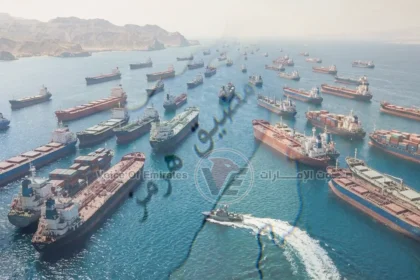
Tehran, Iran – Iran has announced that no ship will be able to pass through the Strait of Hormuz without prior authorization.
This move reflects a tightening of maritime regulations in one of the world’s most important waterways,
amid escalating regional tensions and ongoing diplomatic efforts to reach agreements on maritime security.
Iranian tightening of restrictions on maritime traffic
The Iranian authorities confirmed that the passage of ships through the Strait of Hormuz will be conditional on obtaining prior permission.
She stated that this measure is part of the mechanisms for organizing
and securing navigation in the strait, through which a large proportion of global oil exports pass.
The announcement comes after a series of Iranian statements
that stressed the need to regulate the movement of ships in the strait.
At the same time, technical and political consultations continue
with the Sultanate of Oman on mechanisms to ensure the safe passage of ships.
Diplomatic moves and ongoing negotiations
Iran and Oman are continuing their technical and political talks to reach an agreement regulating navigation in the Strait of Hormuz.
Tehran previously confirmed exchanging views with the Omani side on appropriate mechanisms to ensure the safety of ships.
Reports also indicate that the Iranian delegation discussed proposals
related to managing maritime traffic during meetings in Muscat.
This comes as part of efforts to reduce tensions and ensure the continued flow of trade through the strait.
International anticipation for the future of the strait
The Iranian decision arouses widespread interest among the international community,
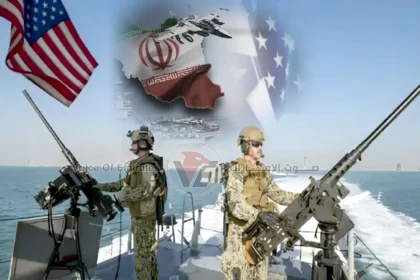
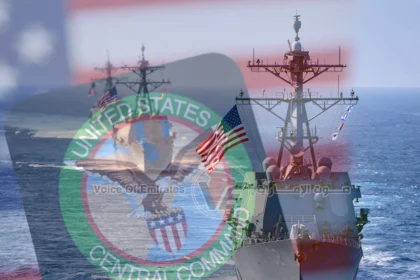
especially with the United States confirming that its forces are stationed
and ready to ensure freedom of navigation in the Strait of Hormuz.
On the other hand, global markets are closely following developments
as they have direct repercussions on energy trade and oil prices.
The Strait of Hormuz is one of the most strategic sea lanes in the world.
This makes any changes in transit rules or navigation procedures subject
to careful follow-up by energy importing countries and international shipping companies.
However, diplomatic efforts continue to avoid any escalation that might affect international trade.