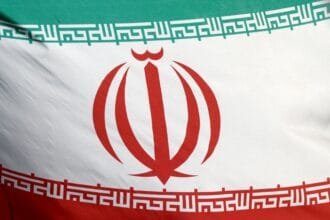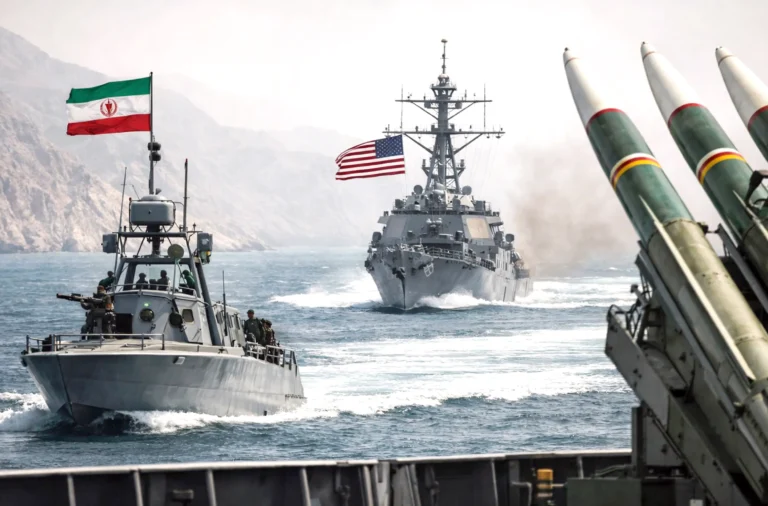
USA – Washington – The US Central Command announced new and strict security measures in the region. It has been officially decided to impose ship surveillance in the Strait of Hormuz and corridors leading to Iranian ports. This decision will include ships from all nations without exception when entering or leaving Iran. This move aims to tighten the noose on illegal maritime activities, as described by Washington. These movements come amid escalating military and diplomatic tensions in the Arabian Gulf. This decision reflects an American desire for complete control over regional navigation.
ightening Maritime Procedures to Enhance Security in Vital Corridors
CENTCOM explained that the primary goal is to accurately monitor suspicious movements. The ship surveillance in the Strait of Hormuz is linked to global maritime security enhancement efforts. US forces will regularly follow and inspect vessels linked to Iranian ports. Washington seeks to prevent the smuggling of weapons or internationally prohibited materials. The corridors near Iran are considered sensitive points for US and allied national security. These measures represent additional pressure on the Iranian economy, which relies on maritime exports.
Potential Repercussions on Global Trade and Maritime Shipping
These restrictions are expected to lead to a slowdown in international goods transport. Shipping companies will face additional difficulties due to the ship surveillance in the Strait of Hormuz now. This decision directly affects global energy supplies and maritime insurance costs. International markets fear supply chain disruptions resulting from inspection operations. Experts believe this step could raise the prices of essential commodities in the region. Freedom of navigation in waterways remains a focal point for intense discussions between major powers.
Tense Security Context and International Calls for De-escalation
These measures coincide with intensive military movements in Gulf waters in early 2026. The ship surveillance in the Strait of Hormuz increases the likelihood of direct naval confrontations. Conversely, international calls are mounting for the necessity of adhering to international maritime laws to ensure safety. Several countries are calling for de-escalation to avoid a negative impact on global trade. International diplomacy seeks to find compromise solutions preventing a full-scale conflict in the region. The security situation remains dependent on how involved parties respond to the new American measures.