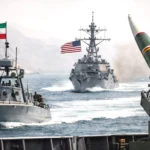
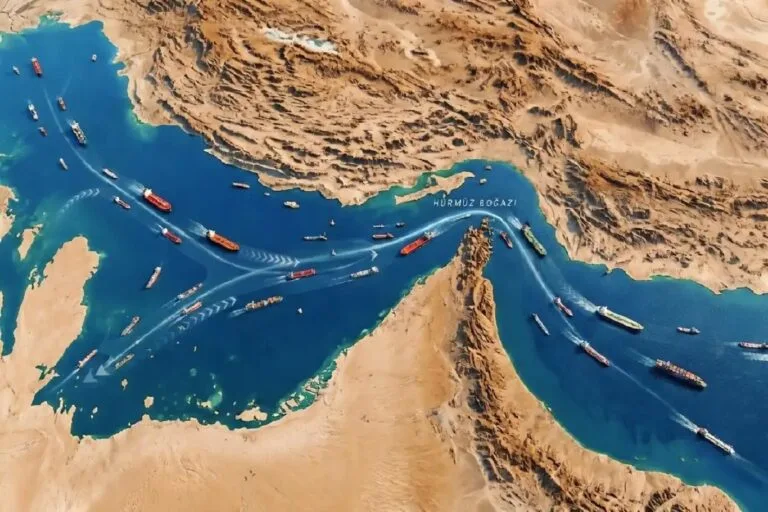
USA – Washington – The US Central Command issued a clarifying statement regarding the security situation in the Gulf. The command confirmed its full commitment to ensuring freedom of navigation in the Strait of Hormuz for all commercial vessels. It clarified that its forces would never obstruct shipping to and from non-Iranian ports. These assurances come amid rising regional tensions and fears of waterway closures. The statement stressed that the goal is to protect international trade, not disrupt it. Washington seeks through this move to calm the fears of global shipping companies.
Precise Distinction in the Scope of Maritime Regulatory Measures
CENTCOM indicated a clear distinction in dealing with transit ships. Current US policy aims to protect freedom of navigation in the Strait of Hormuz for friendly and allied nations. It clarified that any potential regulatory or inspection measures would be limited only to vessels linked to Iran. This procedure aims to monitor suspicious Iranian activities without impacting the global economy. Washington affirms that the smooth flow of goods and oil remains a top priority for joint naval forces. This clarification helps in reducing maritime insurance costs that have recently risen.
Importance of the Hormuz Strait as a Strategic Global Trade Artery
The Strait of Hormuz represents the most important corridor for transporting energy from the Gulf region to the world. Freedom of navigation in the Strait of Hormuz is a safety valve for the stability of international oil and gas prices. Therefore, any disruption in this vital facility could lead to widespread economic crises. The United States recognizes the magnitude of the responsibility to secure this strategic corridor. US forces work in coordination with international partners to prevent any threats to commercial tankers. This military move comes to ensure the passage remains open to legitimate trade.
Reassurance Messages to Global Markets and International Shipping Firms
Recent US statements target sending a message of stability to global financial markets. Focusing on freedom of navigation in the Strait of Hormuz aims to prevent sudden shocks in energy supplies. Major shipping companies expressed relief at these exemptions that protect vessels not linked to the conflict. Economic circles expect this transparency to contribute to lowering tension in oil exchanges. Despite the complex security situation, Washington continues to affirm its ability to manage the crisis wisely. The world remains in anticipation of field developments in Gulf waters in early 2026.