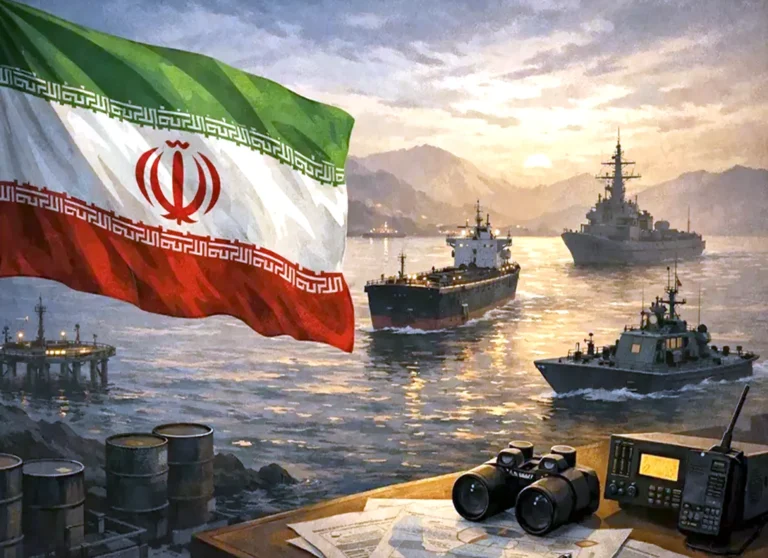
Cairo – International – CNN reported that digital ship movement analyses reveal a complex reality. The Iranian influence in the Strait of Hormuz shows remarkable stability despite increasing international pressure recently. The report indicated that Tehran still exerts effective influence over navigation in the Arabian Gulf. These conclusions come amid escalating geopolitical tension in the region in early 2026. Despite Western warnings, ship movement patterns have not changed fundamentally within the strategic corridor. This situation reflects the sensitivity of power balances in one of the world’s most important energy passages.
Stable Navigation Patterns Amid Intense International Pressure
Ship movement data explained that control equations within the strait have not witnessed major shifts. The continuity of Iranian influence in the Strait of Hormuz is linked to Tehran’s geographic location and naval capabilities. Despite the deployment of Western naval units, navigation patterns still reflect the power reality established for years. Repeated warnings regarding commercial ship security have not succeeded in changing the field’s rules of the game so far. The report highlights the challenges major powers face to secure absolute freedom of passage. Energy tankers remain forced to deal with this complex geopolitical reality daily.
Strait of Hormuz: Global Energy Lifeline and Political Conflict Axis
The strait is considered the primary anchor for international energy security and major power interests. A huge portion of Gulf oil and gas exports destined for global markets passes through it. Therefore, Iranian influence in the Strait of Hormuz represents a strong political pressure card in negotiations with the West. Any minor disruption in this vital waterway leads to frantic jumps in global fuel prices. Tehran is fully aware of the strategic value of its supervision over this unique and vital water facility. This location makes the strait a permanent arena for tug-of-war between Tehran and major Western powers.
International Anticipation for the Future Stability of Global Supply Chains
The region is experiencing intense security and political anticipation awaiting upcoming diplomatic rounds. The international community aims to reduce Iranian influence in the Strait of Hormuz to ensure safe supply flows. Discussions are currently mounting over mechanisms to avoid any military escalation that might lead to closing the waterway. Analysts fear the reflection of current tensions on the stability of supply chains and overall international trade. Diplomatic solutions remain the preferred path to avoid an economic disaster that could hit the entire world. The balance of power in Hormuz remains the true measure of regional stability in the near future.