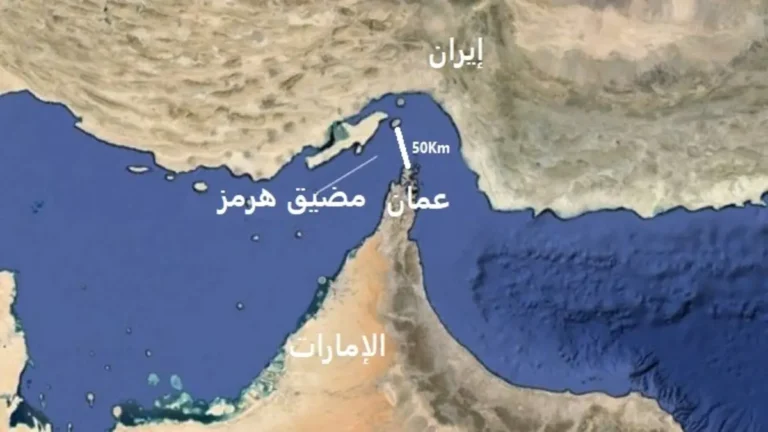
United States – New York – The New York Times revealed worrying developments in peace negotiations. Tehran insists on not reopening Hormuz Strait at this time. Iran links the return of navigation to reaching a final and comprehensive peace deal. This hardline stance reflects the size of the gap between Tehran and Washington. International fears are growing over global energy supply disruptions due to this closure. The vital waterway remains a hostage to mutual political and military demands.
Hormuz Strait as a Key Disputed Point in Negotiations
Iranian officials confirmed that the strait represents the core of the current conflict. Tehran believes that reopening Hormuz Strait gives it a strong leverage card in Islamabad. Conversely, the United States insists on ensuring freedom of navigation without preconditions. Both sides have not yet succeeded in drafting a common understanding framework. This intransigence complicates commercial ship access to global oil tankers. The continuation of the current situation threatens a mad rise in fuel prices globally.
Washington’s Demands Unacceptable to Iranian Delegation
CNN reported additional details from behind the scenes of the negotiations. Washington presented technical demands regarding corridor management that Tehran rejected. Iran believes these conditions directly touch its national sovereignty. Reopening Hormuz Strait will not happen before tangible American concessions are made, according to sources. These “unacceptable” demands caused the postponement of decisive decisions. Tension prevails in the negotiation rooms amid international anticipation for the next rounds.
Impact of Tension on Navigation Stability and Regional Security
This escalation comes at a very sensitive time for the Middle East. The file of reopening Hormuz Strait is closely linked to the nuclear program and maritime security. Major powers seek to ensure navigation stability and prevent a military confrontation. However, the Iranian insistence on closure puts additional pressure on international mediators. Shipping companies fear a long-term crisis and its impact on trade. The world remains waiting for a diplomatic solution that preserves the interests of all parties involved