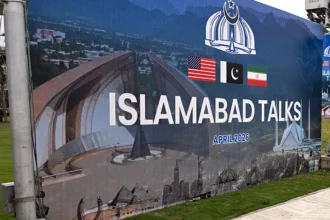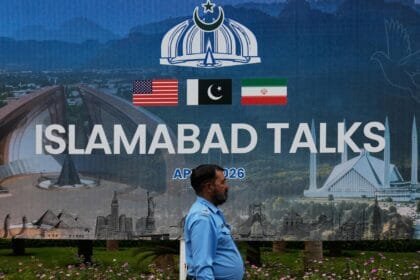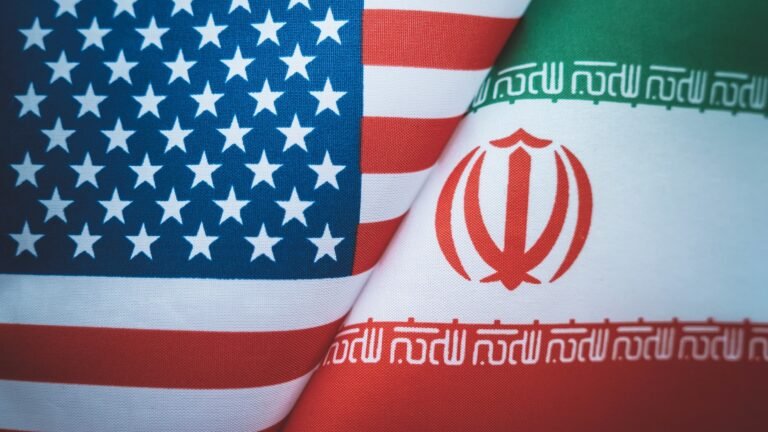
Pakistan – Islamabad – The Iranian negotiating delegation revealed new obstacles facing the dialogue with Washington. The delegation confirmed that the United States presented US demands regarding the Strait of Hormuz described as exaggerated. These statements come during the current round of talks in the Pakistani capital. The source noted that these demands exceed the frameworks previously agreed upon. The Iranian side warned that this trend might hinder reaching common understandings. A state of anticipation prevails for the course of upcoming sessions amidst this tension.
Exceeding Expected Frameworks in Islamabad Talks
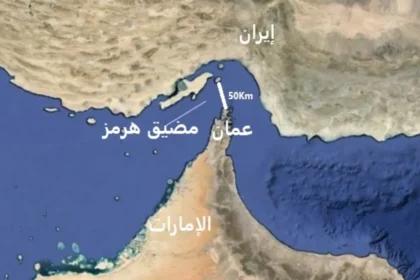
A source close to the delegation told Novosti that Washington seeks to impose harsh conditions. The US demands regarding the Strait of Hormuz focus on imposing strict technical and security restrictions. The Iranian delegation believes these conditions do not align with the principle of equal negotiations. This proposal caused an increase in the intensity of technical discussions between specialized teams. The source added that imposing unexpected conditions leads to a prolonged crisis. Tehran seeks to maintain its sovereignty over the vital waterway.
Secrecy Over Technical Details and Anticipated Iranian Response
The Iranian delegation has not revealed additional details about the nature of the US demands regarding the Strait of Hormuz yet. The source only indicated that the matter requires precise legal and political review. The delegation needs more time to study the appropriate response to the American proposals. Tehran affirms it will not take an official position before finishing complex technical discussions. This secrecy reflects the sensitivity of the files on the negotiation table in Islamabad. This measure aims to prevent information leaks that might harm the dialogue path.
International Monitoring of Negotiation Path and Energy Stability
The international community follows the details of US demands regarding the Strait of Hormuz with great interest. The strait represents the main lifeline for global oil and gas supplies. Any setback in negotiations directly affects the stability of international navigation. Major powers fear the repercussions of these disputes on energy prices in the markets. Pakistan remains a vital arena for bridging viewpoints between the two traditional rivals. Hope remains for reaching compromise solutions that ensure regional security and waterway safety.