Washington, United States – As attention shifts to the halls of the U.S. State Department to launch an unprecedented negotiation track between Beirut and Tel Aviv, regional tensions continue to echo in the Strait of Hormuz, where technical reports reveal that the ceasefire agreement has yet to resolve the bottleneck of 2,000 stranded ships.
First: Washington Breaks the Ice
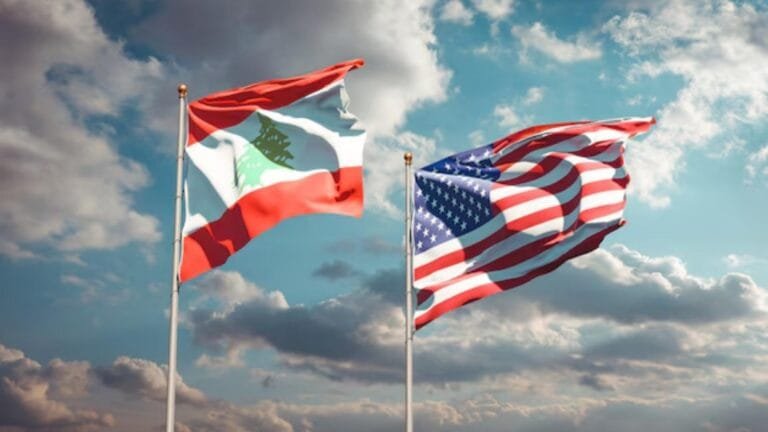
In what has been described as a “historic” step, the Lebanese Presidency announced an agreement to hold the first official meeting at the U.S. State Department next Tuesday. Key highlights include:
- Tuesday Meeting: Hosted by the United States to set a timeline and discuss the launch of formal negotiations.
- Top Priority: Establishing a comprehensive ceasefire as a first step toward long-term de-escalation.
- Direct Contact: The Lebanese Presidency revealed a first-of-its-kind phone call between the Lebanese ambassador and the Israeli ambassador in Washington, attended by the U.S. ambassador in Beirut, to lay political groundwork.
Second: Hormuz Under Scrutiny
On the other side of the geopolitical map, South Korean National Security Advisor Wi Sung-lac tempered optimism over the ceasefire between the United States and Iran, highlighting ongoing challenges in the Strait of Hormuz:
- Disrupted Navigation: Shipping remains slow despite the halt in hostilities.
- 2,000-Ship Backlog: Clearing the congestion will take time and poses safety risks.
- Persistent Uncertainty: Global supply chains—especially oil and naphtha—remain under pressure, prompting Seoul to seek alternatives.
Third: International Coordination
The report noted intensified international efforts led by the United Kingdom and France to secure maritime routes in the Strait of Hormuz, with South Korea evaluating its potential role in these discussions to ensure the safety of its 26 stranded vessels.
The world now faces two parallel tracks: a promising political path in Washington that could end the conflict in Lebanon, and a complex logistical crisis in the Strait of Hormuz that requires more than a political agreement to restore normalcy.
“Islamabad Friday” and “Washington Tuesday” are set to be key milestones shaping the next phase.