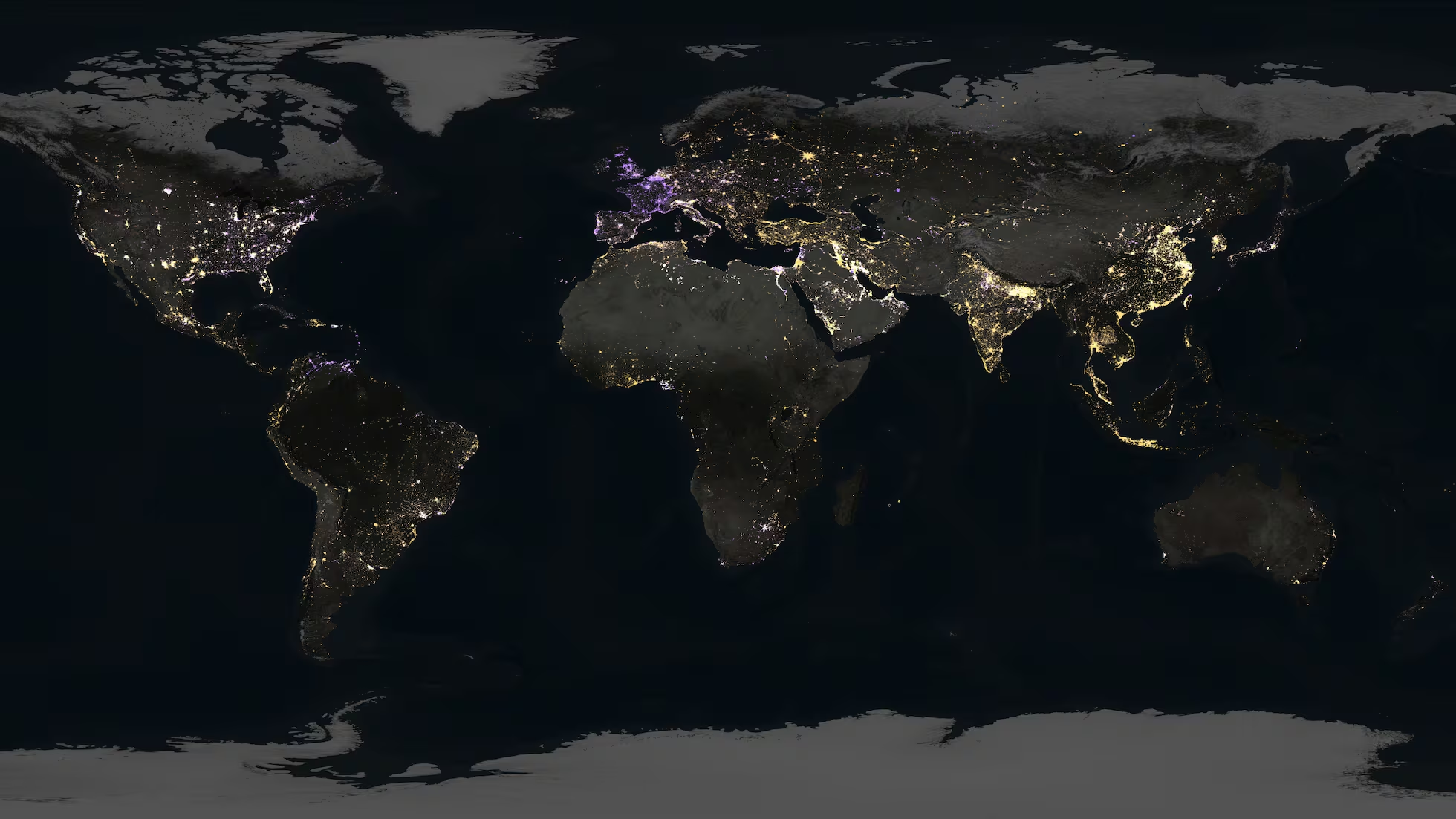
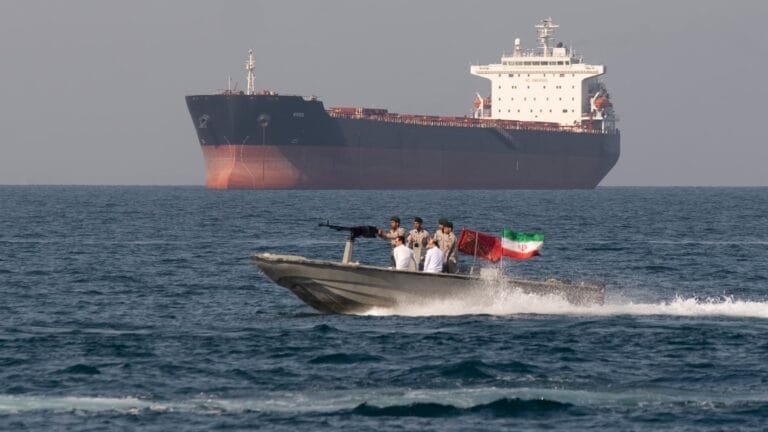
Iran – Tehran – Navigation in the Strait of Hormuz faces severe challenges. Iran Strait of Hormuz mines still obstruct the full reopening of the waterway. This happens despite the recent ceasefire. U.S. officials confirmed Tehran’s inability to locate these mines. The Revolutionary Guard planted them over recent months. This situation prevents ships from passing safely. It also hinders diplomatic talks currently held in Pakistan.
Stray Mines Crisis and Oil Disruption
Officials gave details to the “New York Times” about Iran Strait of Hormuz mines. These mines were deployed indiscriminately via small boats. They have now become a “stray” threat in international waters. Tehran did not document the locations accurately. Water currents moved these mines away from their original spots. Global shipping companies remain very cautious. Consequently, energy prices stayed high. Tehran kept a political pressure card despite the truce.
Technical Incapacity in Clearing and Safe Navigation
Foreign Minister Abbas Araghchi spoke about opening the strait. However, he linked this to “technical constraints.” The reality shows weakness in Iran’s mine-sweeping capabilities. Removing naval mines requires advanced technologies that Tehran lacks. The U.S. military also faces challenges in clearing the area. Movement is currently limited to very narrow, dangerous lanes. President Trump demands a “full and safe” opening immediately. This condition is essential for the proposed truce.
Negotiation Pressures in Islamabad
The Iran Strait of Hormuz mines issue is central to upcoming meetings. Araghchi will meet U.S. Vice President JD Vance. The U.S. seeks clear security guarantees. Washington also demands accurate maps of the mined areas. Mistrust prevails due to previous threats. The United States still ignores the actual number of remaining mines. This makes restoring normal navigation a complex and long process.