Islamabad, Pakistan – As diplomatic aircraft land in Islamabad, U.S. President Donald Trump chose a “zero hour” moment to send a hardline military message. This signaled that the current truce is only temporary. Now, Iran is placed before two options: a comprehensive agreement or a destructive confrontation.
“Maximum Pressure” Rhetoric
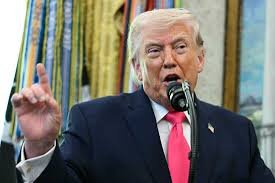
In statements reported by the New York Post, Donald Trump went beyond political warnings. He showcased overwhelming military capability and stated that Washington is rapidly loading its ships with advanced weaponry.
Quote:
“We are currently loading ships with the best weapons ever made… if no deal is reached, we will use them very effectively.” – Donald Trump
Observers believe Donald Trump is reminding Tehran of past strikes, raising pressure ahead of negotiations.
Diplomatic Shuttle: Vance vs. Qalibaf
On the ground, Islamabad has turned into a diplomatic hub with high-level delegations arriving:
- U.S. side: Led by Vice President J.D. Vance, carrying direct presidential authority and warning Tehran against delaying tactics.
- Iranian side: Led by Parliament Speaker Mohammad Bagher Qalibaf, highlighting Iran’s commitment to talks while maintaining preconditions. These include a ceasefire in Lebanon.
Pakistani Mediation
Pakistani Prime Minister Shehbaz Sharif described Saturday’s talks as a “decisive moment.” Islamabad aims to:
- Turn the temporary truce into a permanent ceasefire.
- Prevent regional escalation.
- Establish Pakistan as a key mediator.
Political Analysis
The “Trump–Vance” strategy reflects negotiating from a position of strength. While J.D. Vance leads closed-door diplomacy, Donald Trump amplifies pressure publicly. The aim is to push Iran toward concessions, particularly on the Strait of Hormuz and Lebanon.
Saturday could be a turning point: either Islamabad delivers a breakthrough agreement, or U.S. forces follow through on Donald Trump’s threats.
All eyes are now on Ishaq Dar and Shehbaz Sharif as they attempt a final diplomatic breakthrough.