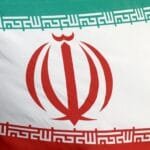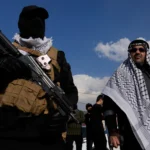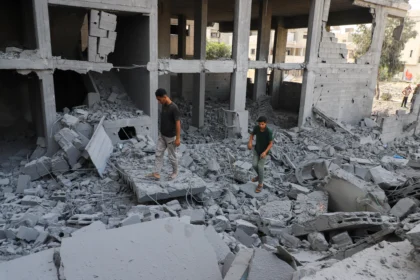
London – United Kingdom: The European Bank for Reconstruction and Development announced the allocation of €5 billion in 2026 to support economies affected by the repercussions of the war in Iran, in a move aimed at containing economic impacts and enhancing financial stability in several of the most affected countries.
The European Bank for Reconstruction and Development explained that the new funding will be directed toward supporting financial institutions and the corporate sector, as well as financing sustainable infrastructure projects, contributing to mitigating the effects of the conflict and maintaining the continuity of vital economic activities.
Direct Support for the Most Affected Countries
The European Bank for Reconstruction and Development indicated that its plan will focus on countries directly affected, including Iraq, Jordan, and Lebanon, in addition to the West Bank and Gaza Strip, as well as neighboring countries such as Egypt, Turkey, Armenia, and Azerbaijan, which have been indirectly affected by the war’s consequences.
It confirmed that the first phase of the response will include urgent support to stimulate economic activity, strengthen financial sector stability, and ensure the continuity of essential services, contributing to recovery and growth paths.
Strengthening Energy Security and Accelerating Transition
The European Bank for Reconstruction and Development stated that a significant portion of the funding will be allocated to the energy sector by financing vital facilities in the short term, while accelerating the transition toward more diverse and sustainable energy systems based on local resources, amid challenges facing global energy supplies.
Rising Economic Repercussions
The European Bank for Reconstruction and Development confirmed that the repercussions of the conflict have already begun to appear through supply chain disruptions, trade route interruptions, rising energy and commodity costs, and declining investor confidence.
It noted that the scale of economic and social impact will remain dependent on developments in the coming period, as it seeks to support the stability of regional economies and enhance their ability to withstand crises.