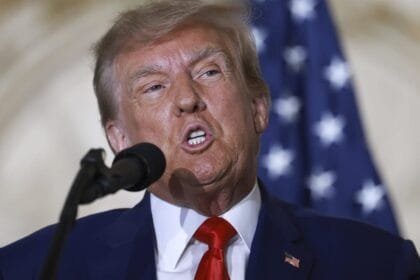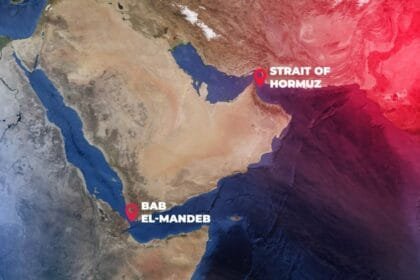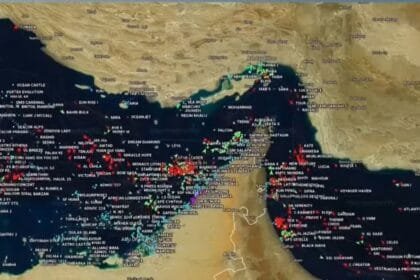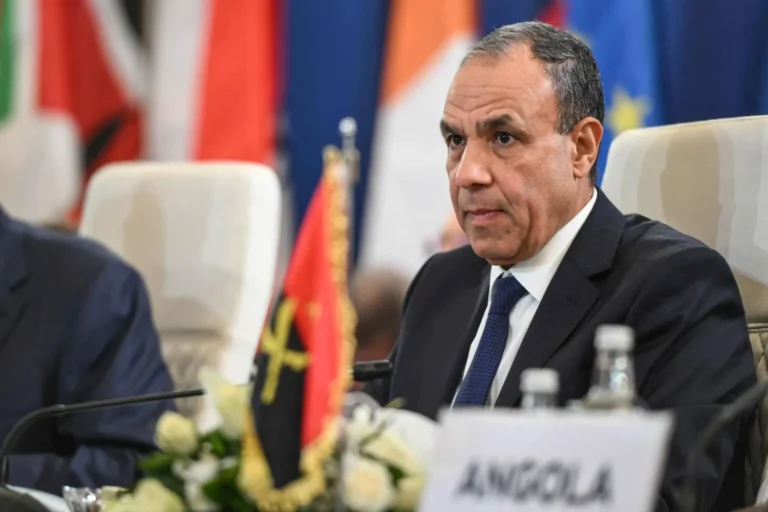
Cairo, Egypt – Egyptian diplomacy is racing against time to contain the rapidly escalating military tensions in the Middle East, with Foreign Minister Badr Abdel-Aty conducting a series of high-level telephone calls on Tuesday in an attempt to defuse the crisis before the deadline set by US President Donald Trump for Iran to reopen the Strait of Hormuz and conclude a new political agreement.
broad international and regional movement
Abdel-Aty’s contacts included the foreign ministers of Iraq (Fuad Hussein) and Pakistan (Mohammad Ishaq), as well as direct communication with US envoy Steve Wittkopf and the UN Secretary-General’s Special Envoy for the Middle East, Jean-Marc Arancini. According to a statement from the Egyptian Foreign Ministry, these discussions focused on assessing the volatile situation on the ground and exploring possible understandings between Washington and Tehran to achieve immediate de-escalation. During his calls, the Egyptian minister stressed that the region is passing through a “delicate and dangerous juncture,” emphasizing the need to prioritize reason to avoid a full-blown confrontation, which he described as a “catastrophic scenario.” He warned that the repercussions of such a clash would spare no party in the region or the world.
Warnings of a collapse in energy security and trade
Egyptian concerns were not limited to the military aspect alone; the discussions also addressed the dire economic repercussions of the continued state of war, most notably:
Freedom of international navigation: Direct threats to vital waterways.
Supply chains and food security: risks to global trade and the flow of essential goods.
Energy security: The direct repercussions of tensions in the Gulf on rising global oil and energy prices.
Preferring the diplomatic option
During these virtual meetings, Cairo emphasized the importance of prioritizing dialogue and diplomacy to reach a negotiated solution that would spare the region the horrors of a large-scale war.
Egypt reiterated the need to intensify international efforts to end the current state of hostility, asserting that continued escalation would lead to unprecedented instability and insecurity, threatening the developmental gains of all countries in the region. These Egyptian initiatives are part of its historical role as a regional mediator, consistently striving to maintain a balance of power and prevent a slide into all-out war.