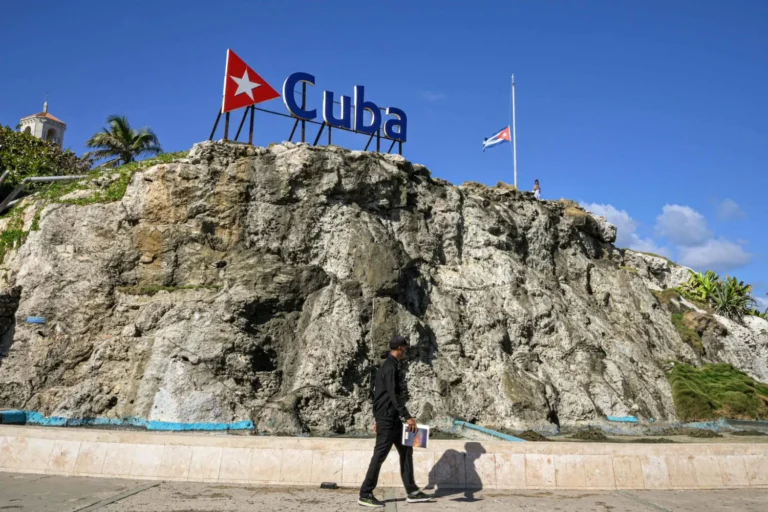
Havana, Cuba – Cuba stands at a critical crossroads today, amid escalating economic crises and unprecedented political pressures. This makes the future of the Caribbean island uncertain, as it struggles to balance economic reform with preserving the existing political system.
Cuban officials are studying various scenarios to avoid a predicament similar to that of Venezuela under President Nicolás Maduro. There, failed economic policies and financial collapse led to widespread popular protests and a sharp decline in living standards.
Local and international sources indicate that Cuba may opt for partial economic reforms, such as promoting limited foreign investment and opening certain sectors of the economy to the private sector. Simultaneously, it will attempt to maintain its traditional political structure and control over key institutions.
At the same time, the Cuban government faces a dual challenge: responding to the urgent demands of its citizens for improved living standards and services. It must also manage international pressure for economic liberalization and social reforms, all while maintaining control over the levers of power. Experts believe that Cuba’s ability to navigate this complex path between reform and maintaining power will determine whether the country can avoid a fate similar to Venezuela’s. Otherwise, it faces a protracted struggle between the need for change and the regime’s determination to cling to power.
Cuba between the unknown and reform: The regime’s strategies to avoid a Venezuelan scenario
Cuba: Economic Reforms and Political Structure

Mohammed Elkaradawy
محمد القرضاوي، محرر في وكالة أنباء صوت الإمارات، مكتب القاهرة، وهو صحفي محترف وعضو نقابة الصحفيين المصريين، يتمتع بخبرة واسعة في تغطية ملفات الأمن القومي والتحقيقات...

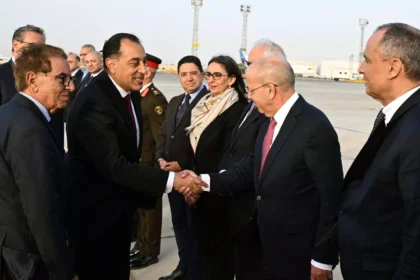
Egyptian-Moroccan summit in Cairo: High-level coordination to reduce regional escalation and preparations for the “Follow-up Committee”
Egypt: Strengthening Egyptian-Moroccan relations

Iran plunges into digital isolation: Longest internet outage raises unprecedented questions
Iran: The impact of the internet outage on services
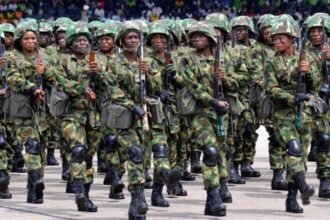
Terrorist attack foiled in Kaduna: Nigerian army successfully protects village from potential massacre
Nigeria: Clashes expose terrorist plots

Congolese minister ignites challenge: We will make Ronaldo cry at the World Cup
Kinshasa, Democratic Republic of Congo - Didier Bodimbo, the Minister…