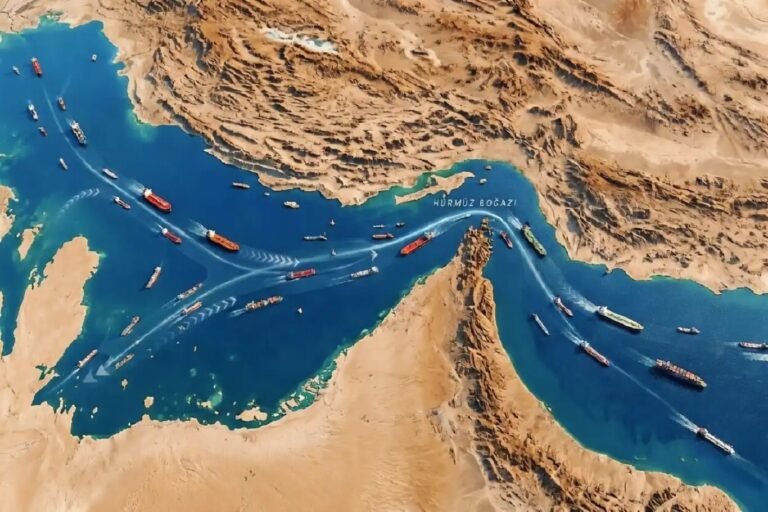
Washington, DC – In the most forceful escalation of rhetoric since the start of military operations against Tehran last February, US President Donald Trump issued a direct and explicit threat to the Iranian leadership. He vowed to completely destroy the country’s infrastructure and vital facilities if the Strait of Hormuz is not immediately reopened to international shipping.
“Power Stations Day and Bridges Day”
On Sunday evening, Trump posted a message in English on his Truth Social platform, warning that the deadline given to the Iranian regime was nearing its end. In a sharp tone, Trump wrote: “Tuesday in Iran will be Power Plant Day and Bridge Day—all in one day. You’ve never seen anything like it!!!”
This threat comes after US forces targeted the B1 bridge on the Karaj highway, the longest bridge in the Middle East. The operation indicated that the US threats were being acted upon. Trump confirmed in his post that what happened to the massive bridge was just the beginning. He added that the next list would include all power plants and strategic bridges connecting Iranian cities.
A harsh message: “Open the damned strait.”
The US president’s post was not without harsh language, as he addressed Iranian leaders, saying: “You lunatics, open that bloody Strait of Hormuz, or you will live in hell. Just look!”
Trump directly linked lifting the naval blockade of the strait to the safety of what remains of Iran’s civilian infrastructure. He also stressed that “time is running out” and that the 48-hour deadline he had set was rapidly approaching.
The repercussions of the anticipated “Tuesday”
Military analysts believe that choosing Tuesday as the date for a full-scale strike is intended to exert maximum psychological and political pressure on Tehran to force it to make concessions before it’s too late. If Washington carries out its threat to strike power plants, it would plunge Iran into darkness and completely paralyze all service facilities, hospitals, and factories. This could lead to a rapid internal collapse. All eyes are now on Tehran, awaiting an official response. Meanwhile, the region is witnessing an unprecedented mobilization of US and Israeli air and naval forces, in anticipation of the zero hour clearly defined by Trump in his recent statement.