Singapore – Singaporean Prime Minister Lawrence Wong warned that the ongoing military crisis in the Middle East and escalating tensions in the Strait of Hormuz would have “very serious consequences.” He added that these consequences would extend beyond regional borders, severely impacting the global economy.
A conflict on two fronts: military and logistical
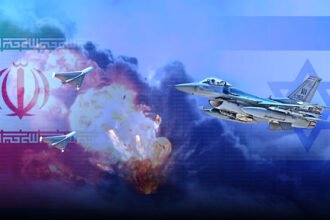
Wong explained that the current conflict is developing alarmingly along two parallel tracks. The first involves direct military confrontations and the resulting widespread destruction and painful human losses from attacks and counterattacks. The second track, which poses a greater threat to international trade, involves intensifying competition and threats to vital supply routes, most notably the Strait of Hormuz, a crucial artery for global energy.
Navigation paralyzed in the Strait of Hormuz
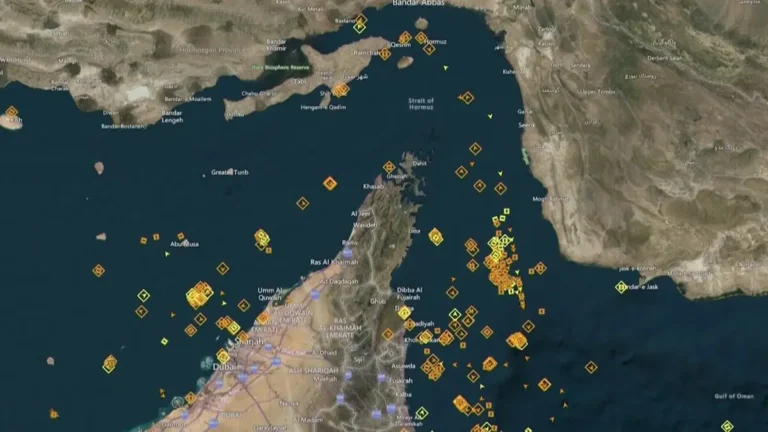
The Singaporean Prime Minister confirmed that the recent actions taken by the Iranian government have already significantly disrupted shipping traffic in the Strait of Hormuz. A sharp and sudden drop in the movement of ships and oil tankers has been recorded. For Singapore, a global shipping and logistics hub, any blockage in this waterway means direct disruption to supply chains and an unprecedented rise in shipping and insurance costs. This will negatively impact global commodity prices.
Fears of escalation and the involvement of new parties
Despite expressing little hope for the success of diplomatic efforts and ongoing behind-the-scenes talks, Wong stressed the need for the international community to prepare for even darker scenarios in the coming days and weeks. He specifically warned of the potential for the conflict to escalate and for other armed groups, such as the Houthis in Yemen, to join the fray. This could lead to the opening of multiple maritime fronts targeting international shipping from the Arabian Gulf to the Red Sea. The Singaporean Prime Minister concluded his remarks by calling for restraint and a focus on peaceful solutions. He also emphasized that a world still recovering from previous economic crises cannot afford a prolonged “energy war.” Such a war could paralyze international trade and exacerbate global inflation.