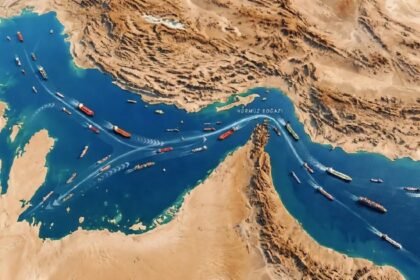
Brussels, European Union — The Europe energy crisis is intensifying again amid the impact of tensions involving Iran, prompting policymakers to reconsider the emergency measures introduced in 2022.
Reviving Europe energy crisis measures
Dan Jørgensen stated that the Europe energy crisis is pushing authorities to consider reducing electricity taxes and network fees.
These measures aim to reduce pressure on consumers and stabilize markets.
Impact of Iran war on Europe energy crisis
The conflict linked to Iran may lead to long-term disruptions, further worsening the Europe energy crisis.
Refined fuels such as diesel and jet fuel remain particularly vulnerable.
Measures to contain Europe energy crisis
The European Union has urged member states to delay non-essential refinery maintenance to ensure supply continuity.
Existing reserves may cover demand for a limited period.
Prices and demand outlook
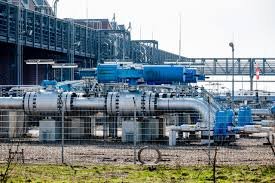
Gas prices have surged significantly, highlighting the growing pressure from the Europe energy crisis.
Authorities are working on flexible strategies to stabilize supply and demand.
EU response strategy
The European Union is focusing on diversification and long-term planning to manage the Europe energy crisis effectively.
Overall, the Europe energy crisis remains a major challenge requiring coordinated action to maintain stability across the continent.