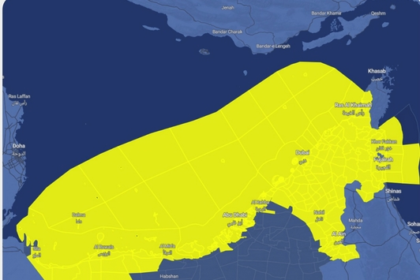
Tehran, Iran – Citizens in Iran are facing an unprecedented digital crisis, as the website Netblocks, which monitors internet traffic worldwide, revealed that the “digital lockdown” imposed by the authorities has entered its 32nd day. This means that the internet has been cut off for more than 744 consecutive hours from the international network. With these measures continuing, the total duration of the shutdown is approaching 750 hours, effectively paralyzing the country’s technological infrastructure.
According to a report issued by the organization on Tuesday, April 1, 2026, users in various Iranian provinces remain deprived of access to global services. This has led to severe economic and social repercussions. Technical experts confirmed that this prolonged restriction is no longer limited to communication difficulties but has extended to causing complex technical and operational problems. The report indicated that the extended outage has resulted in the expiration of numerous website domains and vital user accounts. Consequently, recovering or accessing this data has become extremely difficult.
The suffering is compounded by the disruption of essential digital services; online financial transactions have been halted, distance learning platforms have shut down, and e-commerce has been paralyzed. Thousands of young people and small business owners depend on this commerce for their livelihoods.
Observers see this measure as a “firewall” isolating Iranian society from the rest of the world. It also prevents the flow of information and services at a time when the internet has become the lifeblood of modern society.
In the absence of any official statements specifying a timeline for the full restoration of services, Iranians are living in a state of anticipation and anxiety. This is exacerbated by the complex procedures required to reactivate services disrupted by the prolonged outage.
Attention remains focused on the future repercussions of this crisis on the country’s technological infrastructure. Recovery to its previous operational efficiency after this forced isolation may take considerable time.