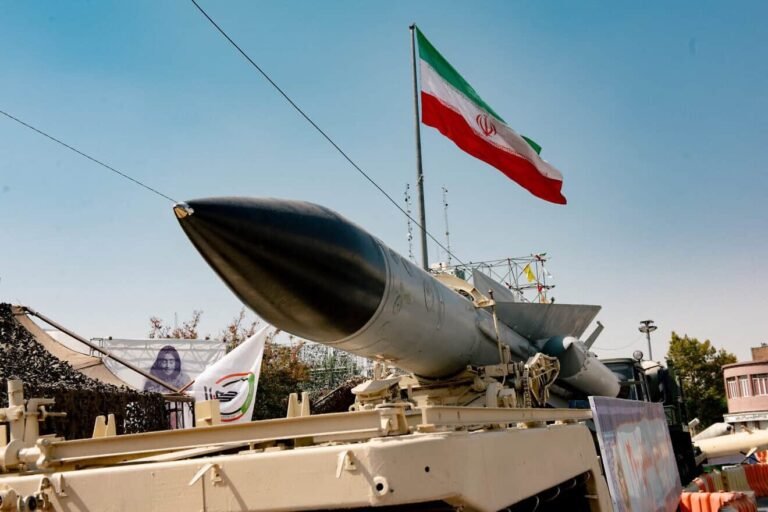
Tel Aviv, Israel – The Israeli military announced Sunday morning that it had thwarted a large-scale Iranian missile attack targeting the city of Dimona and strategic areas in the Negev desert in southern Israel. A military spokesperson confirmed that at least one ballistic missile was intercepted, while another landed in an open area. No casualties or significant damage have been reported so far.
Targeting the nuclear reactor and the sirens
The Israeli Home Front Command activated sirens in several towns in the Negev and southern regions after detecting ballistic missile launches originating from Iranian territory. These attacks are particularly serious because they targeted the area surrounding Dimona, home to the Shimon Peres nuclear research center. Furthermore, the Shimon Peres center is internationally known for the Dimona reactor, which is historically considered the cornerstone of Israel’s nuclear program and its strategic weapon.
Simultaneous escalation: “Joint attacks”
On the Iranian side, the student news agency Daneshjoo reported the commencement of coordinated attacks by Iranian forces in cooperation with Hezbollah against Israeli targets. This announcement indicates a shift in the field toward a unified front. Israel has been subjected to simultaneous military pressure from both the northern and southern fronts, placing its Arrow and David’s Sling air defense systems on high alert.
Current field situation
For its part, Israel’s Channel 12 confirmed that air defenses successfully intercepted the threats directed at the Negev with high efficiency. It also noted that monitoring and tracking operations are ongoing in anticipation of further drone or missile launches. Despite the army’s assurances that there have been no casualties “so far,” panic gripped the targeted areas, with residents urged to remain near shelters. This direct escalation raises fears of a full-scale regional war, especially given the targeting of a facility the size of the Dimona nuclear reactor, which Israel may consider a crossing of red lines. Consequently, this could necessitate an unprecedented military response deep inside Iran.