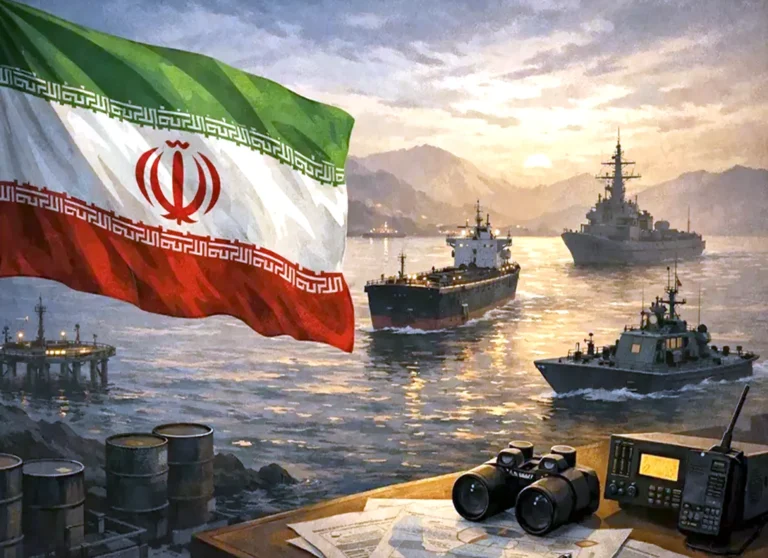
Islamabad, Pakistan – Pakistani Foreign Minister Ishaq Dar announced that Iran has agreed to allow an additional 20 Pakistani-flagged vessels to pass through the Strait of Hormuz, at a rate of two vessels per day.
This move aims to facilitate maritime traffic despite ongoing tensions in the region.
Details of the Iranian decision
The Pakistani minister explained that the agreement came after diplomatic contacts between the two sides.
Tehran agreed to increase the number of ships allowed to transit.
This reflects a degree of flexibility in managing maritime traffic during the current phase.
The strategic importance of the Strait of Hormuz
The Strait of Hormuz is one of the world’s most important maritime chokepoints,
through which a significant portion of global energy supplies pass.
This makes it a sensitive flashpoint in any military escalation.
Any decisions concerning shipping traffic through the strait carry considerable economic and political weight internationally.
The implications of the move and its regional impact
Observers believe this move may indicate Iran’s desire to avoid a complete disruption of international trade, despite the military escalation.
In addition, it could also help alleviate pressure on supply chains.
This is particularly true for countries that rely on this vital corridor for their foreign trade.