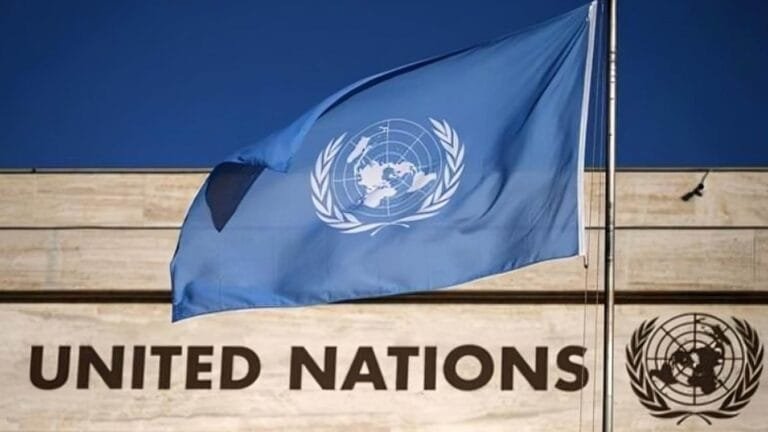
New York — USA – UN Secretary-General Antonio Guterres officially announced the creation of a specialized task force to handle current maritime crises. This team aims to secure navigation in the Strait of Hormuz and ensure the flow of essential goods and humanitarian needs globally. This step comes amid rising risks threatening maritime trade in one of the world’s most important waterways. Furthermore, the international organization seeks to protect food and energy supply chains from sudden interruptions through this initiative. Accordingly, technical consultations have begun to establish monitoring mechanisms that ensure the safety of commercial ships.
Team Composition and Strategic Tasks
Jorge Moreira da Silva, Executive Director of the UN Office for Project Services, leads the new team with international experts. The group includes representatives from the International Maritime Organization to coordinate efforts regarding navigation in the Strait of Hormuz accurately. In addition, the task force focuses on developing technical mechanisms to facilitate the trade of fertilizers and raw materials. Therefore, it will benefit from successful previous experiences like the Black Sea Grain Initiative and the Yemen verification mechanism. This practical framework aims to respect state sovereignty and international laws governing global waterways.
Political and Diplomatic Efforts to De-escalate
Guterres assigned his personal envoy, Jean Arnault, to lead the political dialogue with all concerned parties in the region. Arnault seeks, with support from the task force, to reach a comprehensive settlement that ensures stable navigation in the Strait of Hormuz permanently. On the other hand, officials believe that the success of this initiative will enhance confidence in the diplomatic path as an alternative to military confrontation. However, concerns remain regarding the impact of continuous disturbances on global food security and agricultural production during the coming months. Consequently, the current UN intervention is considered a lifeline for the global economy suffering from inflation and high shipping costs.
In conclusion, the Strait of Hormuz represents a vital artery that the world cannot afford to see destabilized. Any damage to this waterway will lead to widespread humanitarian repercussions affecting poor and developing countries first. Thus, UN efforts remain the only guarantee to prevent the situation from sliding toward a comprehensive economic disaster. Finally, the international community awaits the results of the team’s first technical meetings to evaluate its ability to enforce calm in regional waters.