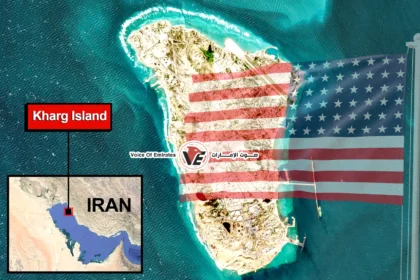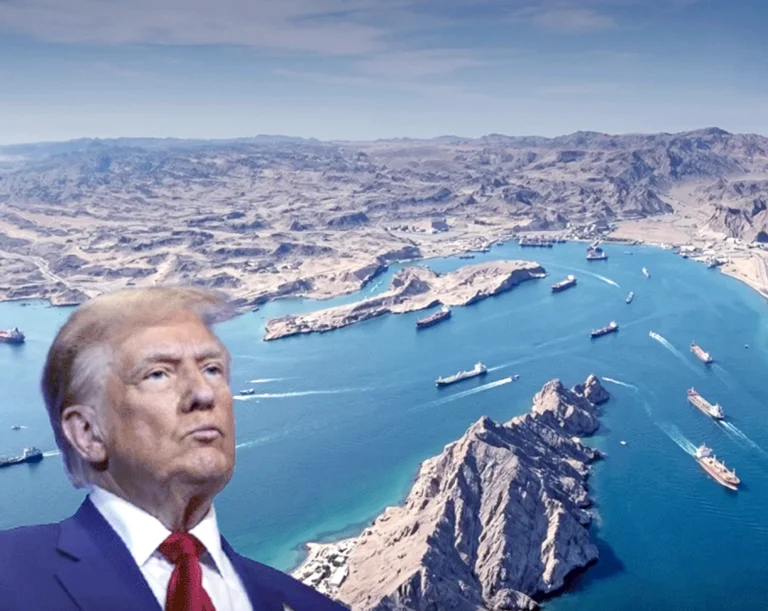
Washington, DC – US President Donald Trump stated that the Strait of Hormuz, which has recently been the site of heightened tensions due to regional conflicts, could reopen “on its own” at some point if current developments continue. Trump emphasized that US policy aims to maintain freedom of navigation and ensure the continued flow of global energy. However, he suggested that events could unfold naturally. This could lead to the strait’s reopening without the need for direct intervention.
A vital strait for global energy
The Strait of Hormuz is a crucial strategic chokepoint for oil and gas transport, with approximately 20% of the world’s oil passing through it. Amid recent tensions between the United States and Iran, the strait has become a focal point of international concern. This is particularly true following recent maritime incidents and Iranian threats to partially or completely close it.
Mixed international reactions
Internationally, several countries have expressed concern about the impact of any prolonged shutdown on oil prices and global markets. The European Union, China, and Japan have called on all parties to exercise restraint and maintain freedom of navigation. They have also indicated that escalation could lead to serious economic and political consequences.
The American role in the region
Trump affirmed that the United States is prepared to take all necessary measures to protect its interests and those of its allies in the Gulf, including military deployments and maritime surveillance. However, he emphasized that direct intervention may not be necessary. Events, he argued, may continue to unfold naturally and lead to the reopening of the Strait of Hormuz.
Energy and market concerns
Energy experts have warned that any escalation could lead to a surge in global oil prices, emphasizing the market’s heavy reliance on the stability of vital maritime straits. Meanwhile, observers suggest that diplomatic solutions could help de-escalate tensions and ensure uninterrupted oil flows.