Brussels, Belgium – A group of major international powers, including prominent European countries along with Japan and Canada, issued a strongly worded joint statement declaring their full readiness to participate in ensuring the safe passage of commercial vessels through the Strait of Hormuz. They also announced decisive measures to guarantee the stability of global energy markets in the face of current threats.
Condemnation of the “de facto closure” and Iranian attacks
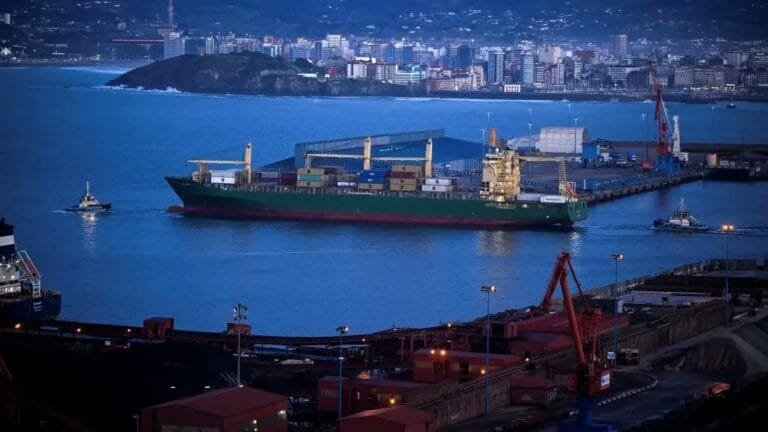
A joint statement issued by Britain, France, Germany, Italy, the Netherlands, Japan, and Canada condemned Iran’s recent series of attacks targeting commercial vessels and civilian infrastructure, including vital oil and gas facilities. The signatory states also expressed grave concern over what they termed the “de facto closure” of the Strait of Hormuz. They asserted that any disruption to global energy flows constitutes a direct threat to international peace and security and a flagrant violation of the principle of freedom of navigation, a cornerstone of international law.
Field action and support for affected countries
The joint statement read: “We express our full readiness to participate in appropriate international efforts to ensure safe passage through the Strait, and we welcome the commitment of countries that have already begun developing initial operational plans for this purpose.” The countries also pledged to cooperate closely in providing technical and financial support to those most affected by these tensions. This will be done in coordination with the United Nations and international financial institutions to mitigate the economic shocks resulting from supply disruptions.
Calls to halt attacks and secure reserves
The international coalition issued a clear call to Iran to immediately cease all hostilities, including missile attacks, the use of drones, the laying of sea mines, or any actions aimed at disrupting this vital waterway, stressing the need to comply with relevant Security Council resolutions. In a proactive move to calm markets, the countries welcomed the coordinated release of strategic oil reserves. They also announced intensified cooperation to increase global production and support countries most vulnerable to economic risks. Furthermore, they affirmed that global energy security is a “red line” that will not be crossed.