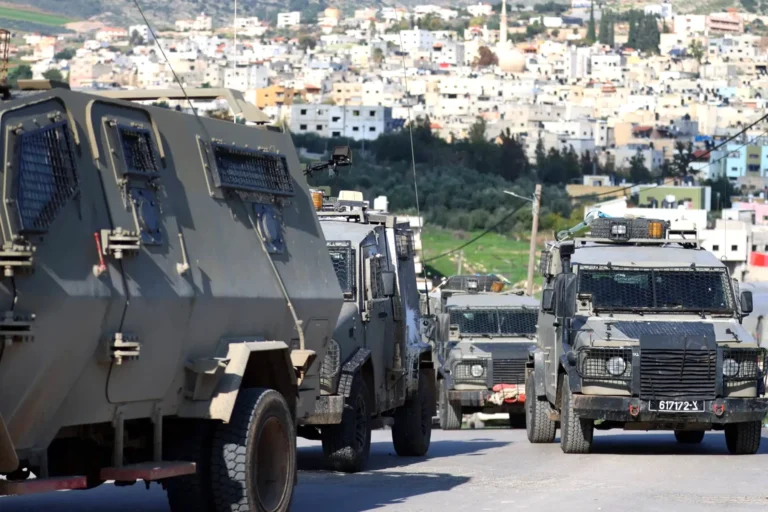
Tel Aviv, Israel – In a field escalation that portends major strategic shifts, media reports have revealed imminent Israeli plans for a large-scale ground operation aimed at gaining complete control of the area southern of the Litani River. According to Israeli officials, the operation aims to impose a new security reality by pushing Hezbollah forces away from the border. Furthermore, it aims to dismantle military infrastructure and weapons depots within Lebanese villages.
“No retreat” after the ceasefire failed
The Axios news site quoted an Israeli official as saying that Tel Aviv had been prepared to discuss a ceasefire before the latest escalation, but that the position has now changed drastically; there is “no turning back from a large-scale operation.” In a statement that has raised international concerns, a senior official asserted, “We will do in Lebanon what we did in Gaza,” referring to the strategy of demolishing buildings located in the southern region of Lebanon in order to secure the border area.
Coordination with Washington and neutralizing the airport
On the international coordination front, US and Israeli officials revealed that the Trump administration had asked Israel not to bomb Beirut airport or other vital Lebanese infrastructure. While Israel agreed to protect the airport, it did not commit to safeguarding other infrastructure. It stated it would consult with Washington on a case-by-case basis. Meanwhile, an Israeli official expressed his country’s confidence in full US support. A US official also stated, “The Israelis must do what is necessary to stop Hezbollah’s attacks.” In this context, the southern area remains crucial to the ongoing security discussions.
Dermer and the bet on “lasting peace”
In a notable political move, Israeli Prime Minister Benjamin Netanyahu tasked former minister Ron Dermer with managing the “Lebanese file” and liaising with the Trump administration. Through these channels, Washington aims to leverage military pressure to pave the way for a broader agreement that would formally end the state of war between Israel and Lebanon, which has persisted since 1948. Moreover, the southern part of Lebanon plays a significant role in Washington’s efforts to transform the conflict into an opportunity for historic settlement.