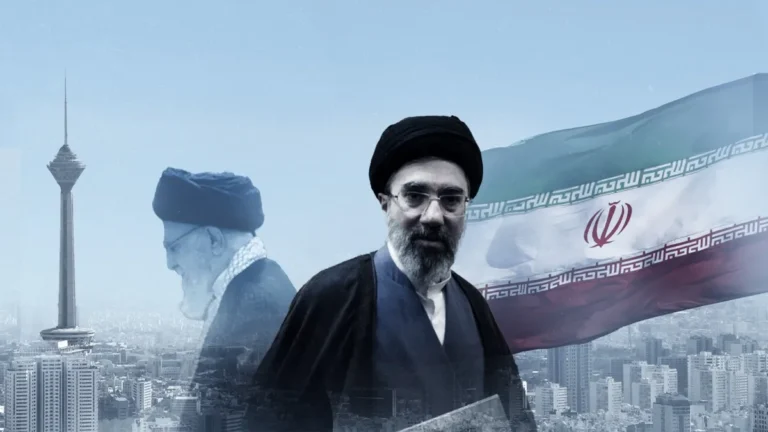
Brussels, Belgium – European capitals are watching with concern the evolving political landscape in Iran following Mojtaba Khamenei’s rise to a position of influence within the power structure. This comes amidst assessments and analyses outlining three main scenarios that could reshape Iranian policy in the coming period.
Observers in European circles believe the first scenario involves a continuation of the hardline approach to foreign policy. They also anticipate an increase in Tehran’s regional influence through its allies in the Middle East. This could lead to further tensions with the United States and its allies in the region.
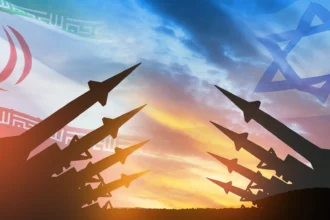
The second scenario concerns the potential escalation of indirect military confrontations between Iran and its adversaries, whether through tit-for-tat attacks or across regional conflict zones. This could open the door to a new wave of instability in the Middle East and potentially impact global energy security.
Conversely, the third scenario suggests the possibility of adopting a more pragmatic approach to certain international issues, particularly regarding nuclear negotiations and economic relations with the West. This approach also aims to alleviate the pressure and sanctions imposed on Tehran.
European analyses confirm that the coming period will be crucial in determining the direction of Iranian policy. This is becoming increasingly clear given the escalating tensions in the region. There are also growing concerns that any shift in the balance of power could directly affect European security, energy markets, and international stability.