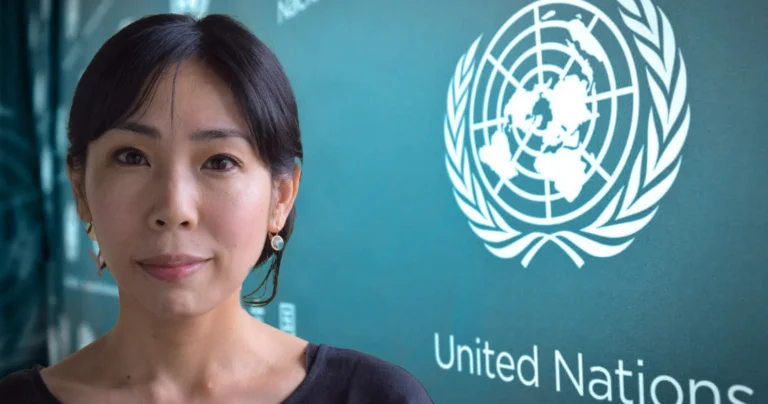
Geneva, Switzerland – The UN Special Rapporteur on the situation of human rights in Iran, Mai Sato, issued a strong warning to Iranian authorities.
She emphasized that restricting detainees’ access to independent lawyers “seriously increases the risk of torture and the systematic extraction of forced confessions.”
Targeting lawyers: A dangerous and ongoing trend
In a blog post on the X platform, coinciding with the Iranian Bar Association’s Independence Day,
Satto expressed her deep concern about the harassment and arrests of lawyers.
She also expressed concern about the denial of their right to practice law simply for agreeing to defend civil activists and protesters.
Satto described this behavior as a “dangerous and persistent trend” aimed at undermining justice.
The UN Special Rapporteur noted that she had received alarming reports of a wave of arrests targeting lawyers in various Iranian provinces.
These reports followed the widespread protests that erupted in December 2015 and January 2016.
Satto stated, “Lawyers who are free and willing to defend protesters are effectively being denied
their professional duty in cases that the authorities classify as security-related.”
Article 48: A legal restriction that legitimizes violations
Sato highlighted the disastrous consequences of the note attached to Article 48 of the Iranian Code of Criminal Procedure.
This article restricts the right of defendants in “security” cases to choose lawyers from a list approved and exclusive by the government.
The Special Rapporteur considered this restriction incompatible with international fair trial standards.
Moreover, it also creates an environment conducive to systemic violations.
As a result, the accused are left alone before the investigating authorities without a genuine defense.
Thus, this facilitates the extraction of confessions under duress and torture for later use as the sole evidence in trials.
Human rights solidarity and increasing pressure
Sato’s warning comes as a group of Iranian lawyers issued a joint statement protesting the violation of the rights of detainees during the 2016 protests.
They also demanded that the judiciary adhere to the principles of independence and fair trial.
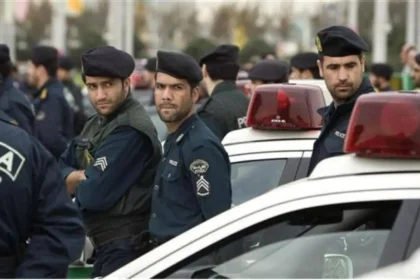
Field reports from Iran indicate that at least five lawyers have been arrested since the beginning of this year.
Dozens more are facing security threats and pressure to dissuade them from taking on cases of prisoners of conscience.
In her statement, Sato concluded that “targeting lawyers or preventing them
from carrying out their professional duties inevitably and seriously undermines civic space,”
making justice in Iran “hostage to the security apparatus.”