Washington, DC – The US military has announced the testing of small, airborne nuclear reactors to power remote military bases. This move aims to enhance energy independence and reduce reliance on civilian power grids, according to the US Department of Defense.
Ganos Nuclear Energy Program
This project is part of a joint program with the Department of Energy known as GANUS. According to the U.S. Department of the Army, it aims to provide sustainable and secure energy to military bases both within and outside the United States. The plan includes deploying small, portable reactors at local bases and equipping them for emergency use.
Ward 250 reactor arrives in Utah
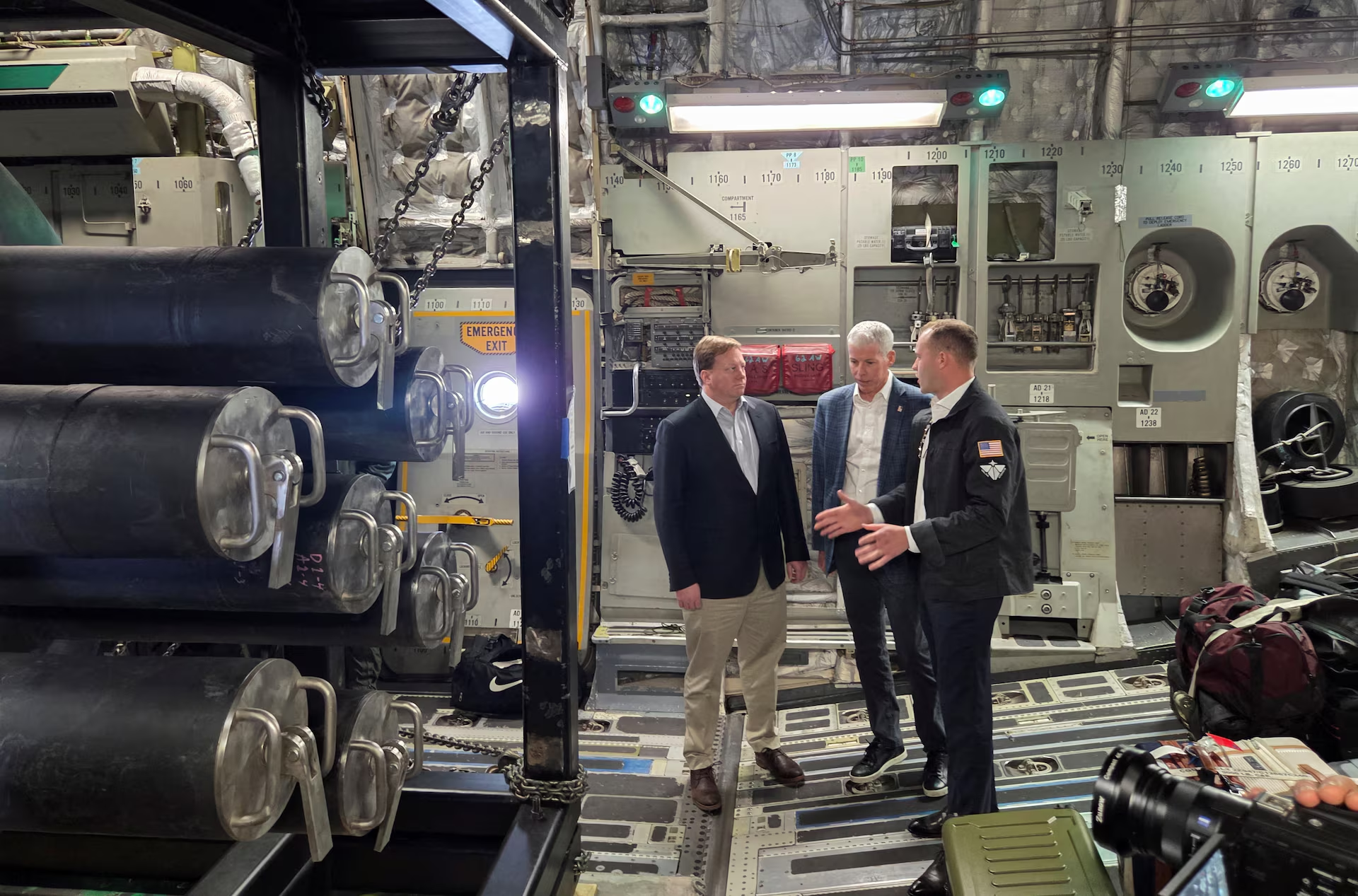
In the latest step in implementation, a small, 5-megawatt Ward 250 nuclear reactor was delivered. It is also suitable for transport aboard a C-17 Globemaster III cargo plane, and is slated for testing at the San Rafael Energy Laboratory in Utah, according to the Pentagon. Officials assert that the reactor will provide complete energy independence for remote bases, ensuring continued operations without reliance on the civilian grid.
The importance of reactors for military bases
The U.S. military relies on these reactors to power data centers, artificial intelligence systems, and advanced weapons. This includes directed-energy systems and lasers, according to Pentagon officials. Using nuclear power in overseas operations also helps reduce the risk of fuel supply disruptions for troops.
Historical precedent and modern experience
The U.S. military deployed small nuclear reactors between the 1950s and 1970s in Alaska, Greenland, and Antarctica before canceling the program due to high costs and reliability issues, according to Department of Defense records. The current program is part of the Trump administration’s plans to modernize the military’s nuclear energy infrastructure. This aligns with his executive orders to bolster the armed forces’ nuclear capabilities.