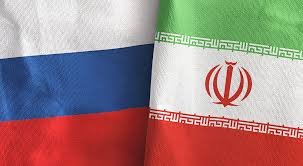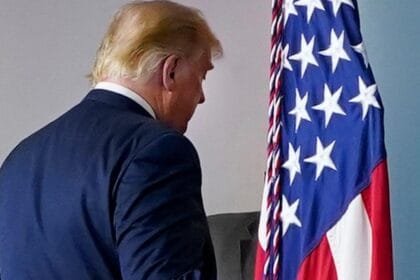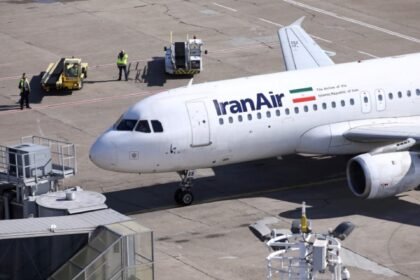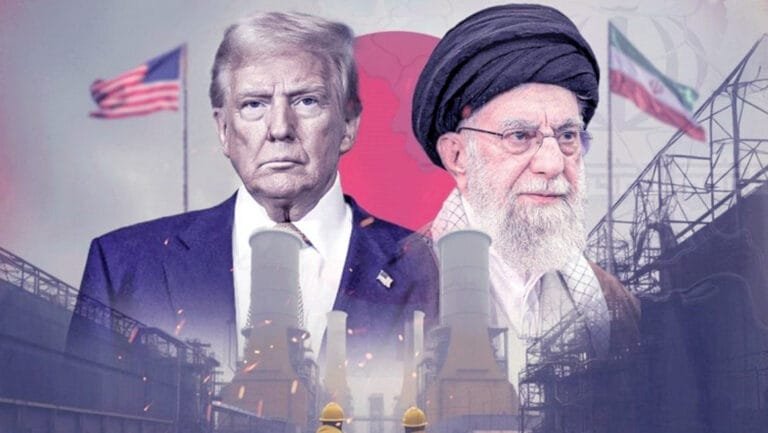
Washington, DC – In a significant development reflecting escalating tensions in the Middle East, US President Donald Trump has given Iran a 15-day deadline for what he termed a “reassessment of course.” Simultaneously, Washington has deployed additional aircraft carriers to the region. This is a military message laden with political implications.
Formulating rules of engagement with Tehran
The Pentagon’s moves indicate a strengthening of the US naval presence near the Gulf. This comes with the deployment of naval strike groups capable of conducting large-scale operations. As a result, this opens the door to speculation about the nature of the scenarios being considered. These may involve pressure tactics for negotiations. Alternatively, the US may be preparing for more aggressive options.
Observers believe that Trump is seeking to redefine the rules of engagement with Iran by combining a hardline approach with a short diplomatic window. The aim is to force Tehran to make concessions. Specifically, these concern its nuclear program, ballistic missile program, and regional influence.
Psychological and political pressure on Iran
The American moves coincide with warning messages from military leaders, emphasizing the forces’ readiness for any developments. Meanwhile, Tehran maintains its defiant rhetoric, asserting that any escalation will be met with a decisive response.
The timeframe remains a source of psychological and political pressure. According to analysts, Trump is betting that this show of force might push Iran to the negotiating table on American terms. Yet, he seeks this result without sliding into a direct confrontation. Such a confrontation could ignite the entire region.
Between the short deadline and the aircraft carriers, the situation teeters on the brink of a new test of international balances. At a moment when electoral calculations intertwine with national security considerations, all options remain on the table.