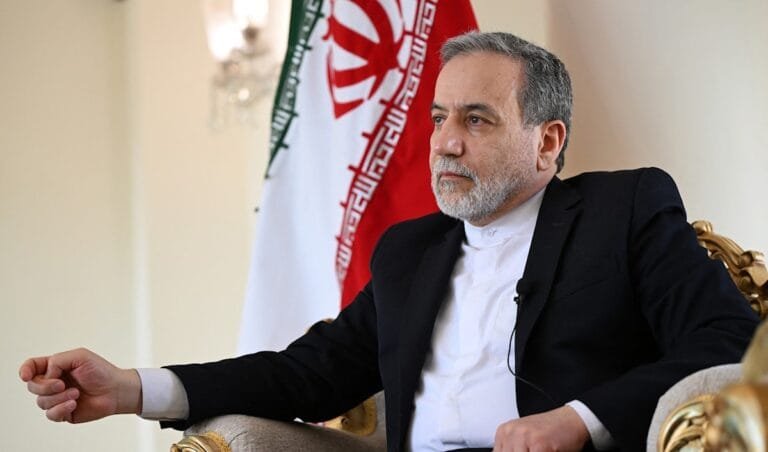
Geneva, Switzerland – Iranian Foreign Minister Abbas Araqchi announced his arrival in Geneva, Switzerland, to participate in the second round of negotiations with the United States. He affirmed that Tehran has “genuine ideas” and aims to reach a “fair and balanced agreement.” However, he emphasized that his country will not succumb to pressure tactics.
Diplomatic marathon in Geneva
In a post on the “X” platform, Araqchi outlined his busy schedule ahead of the official talks with the American side on Tuesday. His itinerary includes a meeting with Iranian nuclear energy experts and a detailed technical meeting with the Director General of the International Atomic Energy Agency, Rafael Grossi. His schedule also includes a meeting with the Omani Foreign Minister, Badr Al-Busaidi, to coordinate with Muscat, which has historically played a mediating role between Tehran and Washington. Araqchi stated firmly, “What is absolutely out of the question is surrendering to threats,” referring to the escalating rhetoric preceding this round of talks.
Netanyahu raises the stakes: Dismantling or no agreement
Araghchi’s remarks come in response to renewed stringent conditions set by Israeli Prime Minister Benjamin Netanyahu. He reiterated yesterday that any agreement with Iran must include the complete dismantling of its uranium enrichment facilities. This includes the removal of enriched uranium from Iranian territory and the inclusion of the ballistic missile program in the agreement.
Reports of a “green light” from Trump
In a development that further complicates the diplomatic landscape, CBS News, citing informed sources, revealed details of a recent meeting between Donald Trump and Netanyahu. According to the reports, Trump expressed his support for an Israeli attack on Iranian missile facilities should an agreement meeting US-Israeli demands fail. Talks begin Tuesday in Geneva amidst a tense atmosphere. While Iran attempts to maneuver with “balanced proposals” and under strict international scrutiny, Washington and Tel Aviv are brandishing the “military option” and the threat of dismantling the entire infrastructure. This makes this round of negotiations a true test of the prospects for peace or war in the region in 2026.