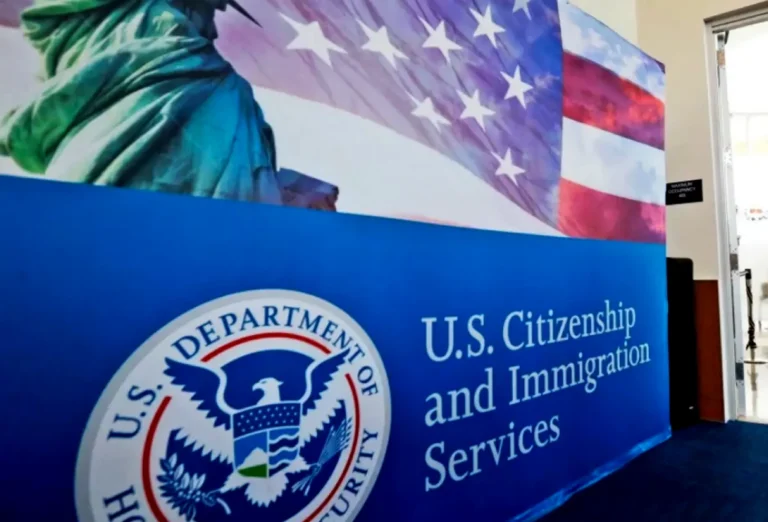
Washington, United States – American media reports have sparked controversy after revealing demands issued by the US Department of Homeland Security to monitor
and expose social media accounts that criticize immigration policies.
This has opened a wide door for discussion about the limits of national security. At the same time, it raises questions about protecting freedom of expression.
According to informed sources, security agencies are seeking to monitor digital content
they deem “inciting or misleading” regarding immigration and border procedures.
This is particularly relevant given the increasing intensity of political debates on digital platforms.
Furthermore, reports indicate that the stated objective is to detect campaigns
that may contribute to the spread of false or inflammatory information.
Such campaigns could potentially impact public safety. They could also hinder the implementation of immigration policies.
But these moves have been met with criticism from human rights organizations and legal experts.
They believe the move could represent an expansion of government control over public discourse.
In addition, it carries the risk of threatening freedom of expression and user privacy.
This is especially true if there are no clear standards that define the difference
between legitimate political criticism and content that constitutes a security threat.
Observers believe the case reflects a growing conflict within the United States
between the demands of security and combating disinformation, on the one hand, and the protection of civil rights, on the other.
This struggle comes amid escalating political debate surrounding immigration ahead of upcoming elections.
The coming period is expected to witness hearings and legal reviews regarding the legality of these measures.
This will occur amid calls for transparent regulations.
Such regulations would ensure that digital surveillance tools are not used to suppress dissenting opinions or critical voices.