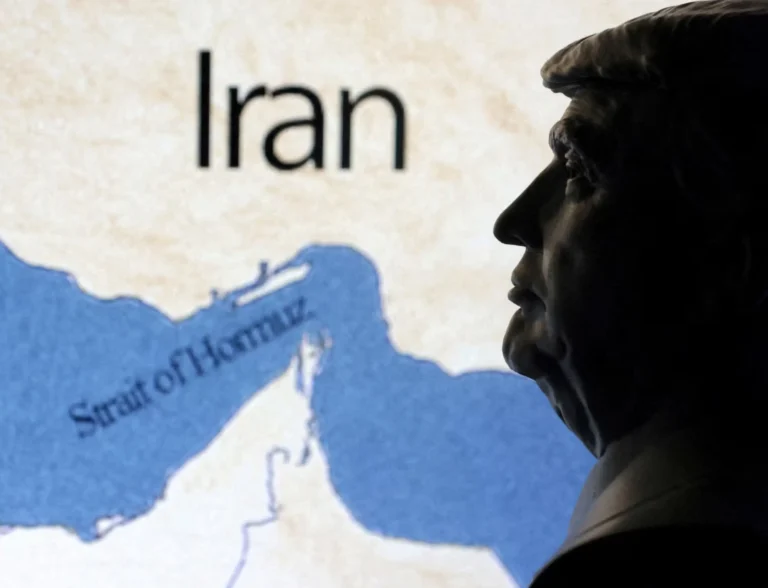
Washington, DC – The United States has issued new guidelines for commercial ships transiting the Strait of Hormuz amid escalating tensions between Washington and Tehran over Iran’s nuclear program.
The move aims to protect American ships and citizens from potential risks in the region.
The US Maritime Administration, part of the Department of Transportation, stated that the guidelines advise US-flagged vessels to stay as far away as possible from Iranian territorial waters.
Furthermore, they advise against resisting a request to board by Iranian forces.
The guidelines emphasize that if Iranian forces do board a vessel, the crew should not resist them.
This is to ensure the safety of navigation and the crews.
This directive comes after Iran has previously threatened to close the strait.
It has also seized tankers and other commercial vessels transiting the area, claiming to be combating smuggling.
This has led to international concern regarding freedom of navigation.
A vital waterway for global oil transport
In the same context, the Iranian Foreign Minister stated that the nuclear talks with the United States, mediated by Oman, have begun positively and are expected to continue.
This indicates a potential easing of tensions if the negotiations lead to an agreement.
However, Washington has indicated that it is attempting to address issues
such as Iran’s ballistic missile program, Tehran’s support for armed groups in the region, and human rights during the talks.
US President Donald Trump recently hardened his stance on Iran.
He issued an executive order imposing a 25% tariff on imports from any country that trades with Iran, directly or indirectly.
This comes as part of the ongoing pressure campaign against Tehran.
These US directives reflect Washington’s commitment to protecting its interests and maritime citizens.
They aim to ensure the safety of international shipping in the Strait of Hormuz, a vital waterway for global oil transport.
This comes amidst a tense geopolitical environment that necessitates close monitoring and stringent precautionary measures.