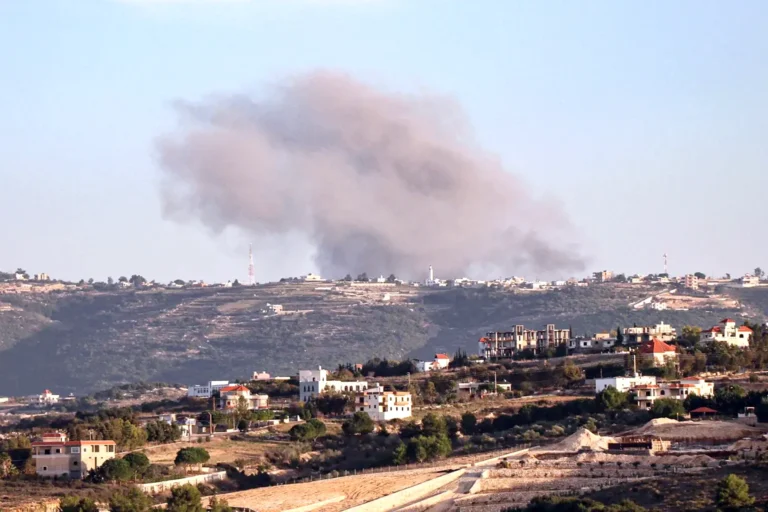
Beirut, Lebanon – The Lebanese National News Agency reported that an Israeli Merkava tank stationed near the town of Blida in southern Lebanon fired several shells toward the town’s eastern outskirts. This marks a new development on the ground, reflecting the ongoing tension along the southern border.
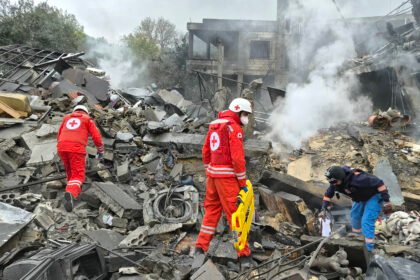
According to the agency, the shelling targeted open areas on the eastern edge of Blida, with no immediate reports of casualties. Limited material damage was reported in the vicinity of the targeted areas. Local sources reported hearing loud explosions, causing widespread anxiety among residents. Some residents remained indoors in anticipation of renewed shelling.
This development comes amidst a continuous escalation in the southern border region. Exchanges of fire and shelling occur intermittently, fueled by regional tensions and the repercussions of the ongoing war in the Gaza Strip. Consequently, the Lebanese front is experiencing increasing volatility.
In recent weeks, towns and villages in southern Lebanon have witnessed similar incidents, including artillery shelling and gunfire originating from Israeli military positions along the Blue Line. This has caused damage to property and agricultural infrastructure, and has led to limited displacement of some residents from areas near the ceasefire line.
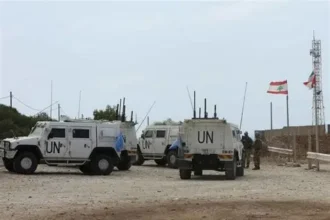
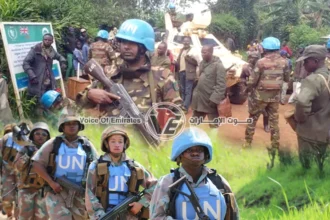
In the same context, the Lebanese army intensified its patrols in the surrounding area. Meanwhile, the United Nations Interim Force in Lebanon (UNIFIL) continues to monitor the situation on the ground. In previous statements, UNIFIL called for restraint and urged all parties to avoid any actions that could escalate the clashes, in order to maintain stability in the south.
Observers warn that the continuation of these incidents could lead to a wider escalation. This comes amidst the absence of any clear signs of an imminent de-escalation. They also emphasize that southern Lebanon remains one of the most sensitive arenas for regional developments, and any escalation there poses significant risks to the security and stability of the entire region.
Lebanese officials continue to closely monitor developments. There are political and popular demands for the protection of civilians, as well as calls to prevent border villages from becoming open battlegrounds for military escalation.