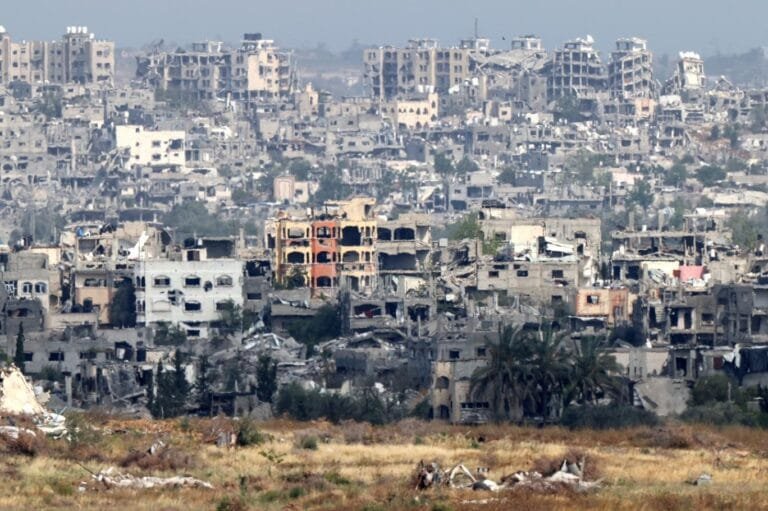
Gaza, Palestine – The humanitarian crisis in the Gaza Strip is worsening to an unprecedented degree, with official local reports revealing that gas supplies are only meeting 20% of actual needs. This is placing immense daily pressure on the Strip’s residents, amidst near-total power outages and a severe fuel shortage for hospitals and water treatment plants.
Hospitals are finding it increasingly difficult to operate critical medical equipment, including ventilators and surgical instruments. This situation is putting patients’ lives at immediate risk. Power plants are also experiencing near-constant disruptions, reducing electricity supply to a minimum. As a result, the living conditions of residents who rely on electricity for homes, schools, and daily activities have deteriorated.
The crisis extends beyond electricity to encompass food and water security. Desalination plants and water distribution pumps depend primarily on electricity and gas. This leaves thousands of families more vulnerable to contamination and a lack of potable water, especially during the rising temperatures of winter.
Local officials have confirmed that the continued shortage will lead to an unprecedented humanitarian catastrophe. They called on the international community and donors to take urgent action to provide gas and electricity before it is too late. They also stressed that any delay could push the sector into an uncontrollable emergency.
Observers point out that this crisis is no longer just an energy issue, but poses a direct threat to Gaza’s political, social, and economic stability. This comes at a time when the region is witnessing a wave of political and security tensions that could worsen the situation if international actors do not intervene to alleviate the humanitarian suffering.
Under these circumstances, the residents of Gaza remain in a state of anxiety and despair. At the same time, international calls are escalating to intensify humanitarian and political efforts to ensure the delivery of fuel and gas. These efforts are a necessary step to avert a human rights and daily life catastrophe in the besieged territory.