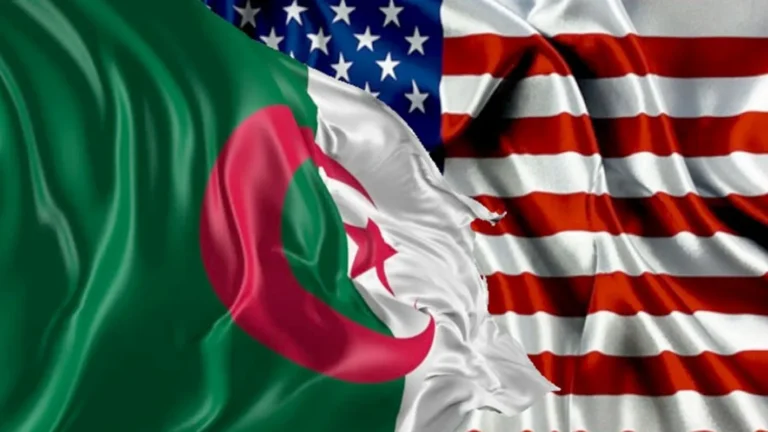
Washington, DC – The United States has threatened to impose sanctions on Algeria following reports of military deals with Russia, including the purchase of advanced fighter jets. This move represents a new escalation in the US pressure campaign against countries that continue military cooperation with Moscow.
US sources indicated that these deals could subject Algeria to the Countering America’s Adversaries Through Sanctions Act (CAATSA), which imposes sanctions on countries that cooperate militarily with Russia. These sources believe that the continuation of this cooperation undermines Western efforts to isolate Moscow over the war in Ukraine.
The threat of sanctions comes at a time when Algeria is keen to diversify its arms suppliers and maintain its traditional strategic partnerships, particularly with Russia. Russia has been one of the Algerian army’s main arms suppliers for decades. This is all part of an Algerian defense doctrine based on independence and non-alignment with any single axis.
Conversely, observers believe that the American warnings reflect a clear contradiction in Western rhetoric, which calls for respecting the sovereignty of states and their freedom of decision. However, the West resorts to pressure and sanctions when those states’ choices conflict with American interests, particularly in military and security matters.
Diplomatic circles fear that this escalation will lead to further tension in Algerian-American relations. These concerns are exacerbated by Algeria’s growing regional role in energy and security issues in North Africa and the Sahel. This gives it greater room to maneuver in the face of external pressures.
The issue also raises questions about the future of military balances in the region and the possibility of a new arms race. These developments fuel international polarization and attempts to exert influence through force.
Analysts assert that sanctions, if imposed, could push Algeria to further adhere to its sovereign choices. They could also lead to strengthening its partnerships with alternative international powers, in a scenario reflecting deeper shifts in the international system. Indeed, the policy of dictating terms no longer finds the same acceptance as it once did. The situation remains open to several scenarios. A possible diplomatic containment could occur, or an escalation could reshape the relationship between Washington and Algiers at this highly sensitive regional juncture.