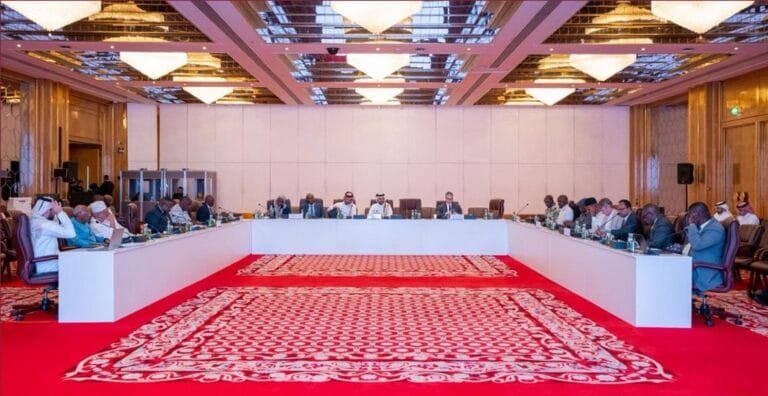
Kinshasa, Congo – In a significant political development reflecting a serious effort to break the cycle of violence and instability, the government of the Democratic Republic of Congo and the Congo River Alliance signed the terms of reference for the Great Lakes Conference. This step formally paves the way for the launch of a broad regional dialogue process aimed at strengthening peace and security in one of the most fragile regions of the African continent.
The agreement, signed in the presence of regional and international representatives, outlines the general framework for the upcoming conference. This includes its agenda, participation mechanisms, and anticipated political and security objectives, foremost among them being the cessation of armed violence, support for national reconciliation, and addressing the root causes of the conflicts plaguing eastern Congo and adjacent border regions.
The Congolese government affirmed that signing the terms of reference represents a “clear political commitment” to peaceful solutions. It also reflects the country’s desire to turn a new page based on dialogue rather than confrontation. The government stressed that the Great Lakes Conference must become a genuine platform for coordinating efforts among the countries involved. Therefore, it should not be merely a protocol meeting.
For its part, the Congo River Alliance considered the agreement a crucial step to ensure the effective and inclusive participation of various political and social actors, including local forces affected by the conflict. It noted that the conference’s success hinges on the seriousness of its implementation and respect for any commitments subsequently agreed upon.
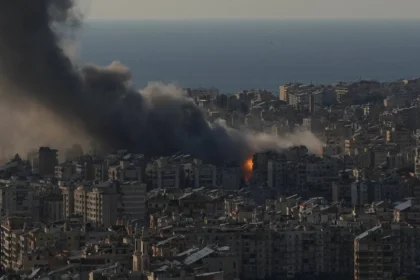
This move comes amidst escalating regional concerns about the repercussions of armed conflicts, whose effects are no longer confined to the Congolese interior. They have extended to neighboring countries through waves of displacement, the proliferation of weapons, and the growing activities of cross-border armed groups. This has made the Great Lakes region a constant focus of concern on the agendas of the African Union and the United Nations.
Diplomatic sources indicate that the upcoming conference will address complex issues, including resource sharing, border control, the return of refugees, and the role of regional powers in supporting stability. Mechanisms for monitoring the implementation of any future agreements will also be discussed to ensure that the failures of previous initiatives are not repeated.
Observers believe that signing the terms of reference does not signify the end of the crisis. However, it does offer a glimmer of hope for a long-awaited political process. This is especially true if all parties demonstrate genuine will and receive the necessary international support to translate pledges into concrete steps on the ground.
In a region accustomed to bloodshed, this agreement sends a clear message that dialogue is still possible. And peace, however long the road to it may be, remains the least costly option for peoples exhausted by conflict.