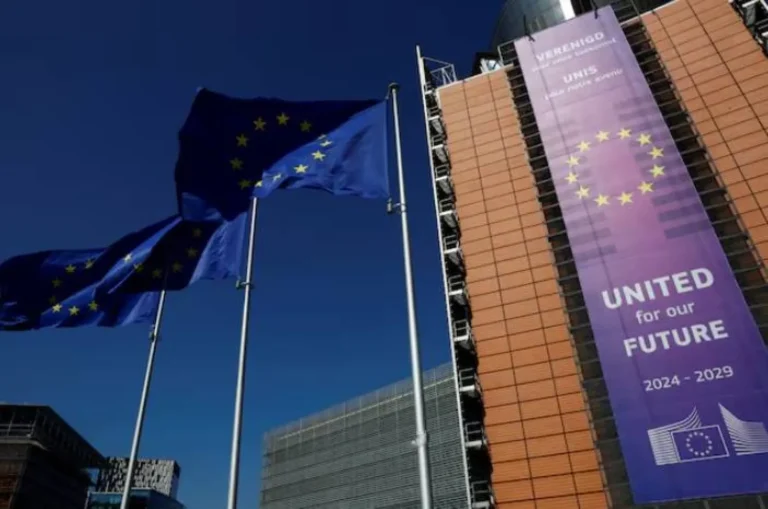
Brussels, Belgium – The European Commission announced it is preparing a new package of sanctions targeting Iran. This comes in response to what it described as the continued repression of popular protests in several Iranian cities, amid escalating European criticism of the Iranian security forces’ performance and their handling of the demonstrators.
European Commission President Ursula von der Leyen stated that the European Union intends to impose additional sanctions as soon as possible against officials involved in the crackdown. She confirmed that these steps are being taken in full coordination with the EU’s High Representative for Foreign Affairs and Security Policy, Kaja Kallas. Von der Leyen also explained in a post on the X platform that Brussels is closely monitoring developments inside Iran and will not hesitate to take deterrent measures against human rights violators.
She added that protesters in Iran are “courageously demanding freedom,” while security forces are confronting them with what she described as “excessive force.” She emphasized that the European Union stands with the Iranian people’s right to peacefully express their demands.
In the same context, the Commission President confirmed that the European Union has added a number of Iranian entities and individuals, including the Revolutionary Guard, to its sanctions lists. This comes in response to growing calls from European politicians and activists to toughen the stance towards Tehran due to human rights violations.
These developments come amidst a wave of protests that began in late December in the capital, Tehran, following a sharp decline in the value of the local currency. The protests then spread to other Iranian cities, involving university students and various segments of society. In response, Iranian authorities declared that there were elements among the protesters whom they described as “terrorists.” They also accused external parties, including the United States and Israel, of being behind the unrest.
The new sanctions package is expected to be presented to EU member states in the coming period, paving the way for its formal approval, as part of a stricter European policy aimed at pressuring Tehran to cease its violations and respect fundamental rights.