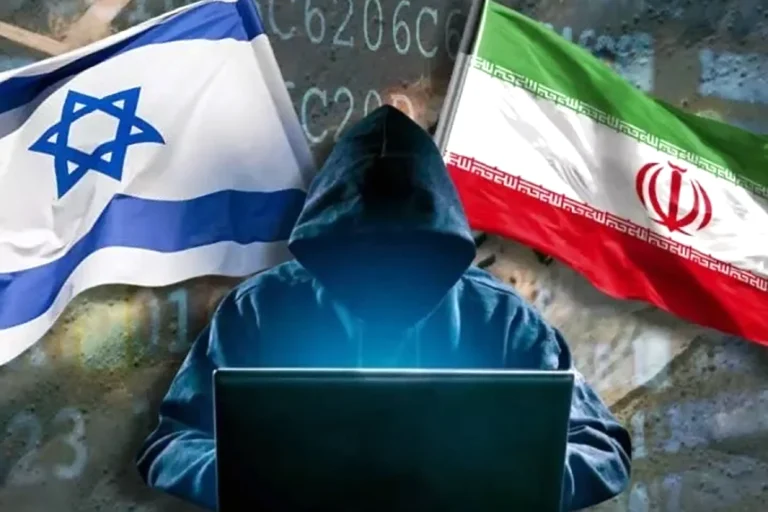
Tel Aviv, Israel — Over the past hours, thousands of Israelis received text messages on their mobile phones containing direct threats and sensitive personal information. The incident has sparked concern within Israel’s security and media circles. There are suspicions that Iran-linked actors may be behind the operation.
According to Israeli media reports, the messages included recipients’ personal data, such as national ID numbers. They also contained explicit threats written in English, including: “This is your last chance to save yourself and your family. We know you.” The messages also contained links directing users to pages with additional personal information about the targeted individuals.
systematic intimidation attempt
The Israeli National Cyber Directorate described the messages as a “systematic intimidation attempt aimed at creating widespread psychological pressure on the public.” It noted that the primary objective was to instill fear and undermine citizens’ sense of security. This was rather than simply collecting information or carrying out a limited technical breach, according to The Times of Israel.
In a related development, a hacking group called “Hanadala,” believed to have links to Iran, claimed responsibility for breaching the phone of former Israeli Justice Minister Ayelet Shaked. The group stated that it obtained dozens of photos and videos from her mobile device. In addition, they published some of the content on online platforms.
Secret cyber conflict
The same group had claimed last month to have hacked the phones of Tzachi Braverman, director of Israeli Prime Minister Benjamin Netanyahu’s office, and former Prime Minister Naftali Bennett. These incidents are part of a series of cyber operations targeting prominent political and security figures.
These developments come amid a noticeable increase in cyber activity attributed to Iran. Israeli security estimates indicate that Tehran is intensifying efforts to recruit Israelis for espionage purposes. They are using financial incentives or tactics of coercion and digital blackmail. This is seen as part of a covert cyber conflict taking place between the two sides.