Aden, Yemen – The southern arena witnessed widespread and firm reactions following reports of an airstrike targeting positions belonging to the Hadrami Elite Forces in Hadramawt Governorate. Prominent leaders considered this escalation a dangerous turning point that serves the interests of forces lying in wait for the region.
Bin Brik: Death is more beloved to us than retreat.
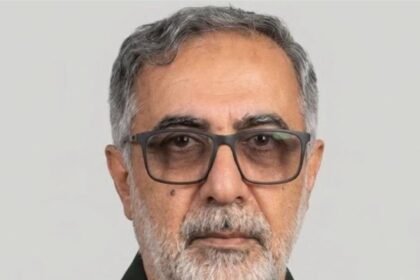
In a message described as “direct and admonitory,” Sheikh Hani bin Breik, a prominent leader in the Southern Transitional Council, commented on the incident. He emphasized the council’s astonishment that forces targeted had been ambushed by rebels just a day earlier.
Bin Brik said in a frank post: “I say, as a sincere piece of advice: only the Brotherhood and the Houthis will benefit from this escalation. You have tried the Southerners for ten years, and we are not men of hotels, nor of treachery and betrayals… We are men of the front lines.”
Bin Breik added, warning against attempts by “hotel men” to drag the South and the coalition into a direct confrontation. He said: “We never imagined for a moment that Saudi Arabia or the UAE would turn their weapons against our forces. Our forces were on the coalition’s front, not the enemy’s… and death is preferable to retreating from reclaiming our land.”
Mashhour: The scale of blood, not the scale of compromises.
For his part, political analyst Hani Mas’hour affirmed that Bin Breik’s voice represents the “solid field memory” of the coalition. He emphasized that targeting the southern forces that fought terrorism opens the door for the Houthis and the Muslim Brotherhood.
Mashhour pointed out that the problem lies in managing the processes with a “confused mediator’s mindset.” He warned against relying on advice from those who haven’t proven themselves on the ground. He added, “True alliances are preserved by protecting those who fought for them, not by weakening them.”
Searching for a political solution
Southern voices called for turning this crisis into an opportunity by prioritizing peaceful solutions. They stressed the need to avoid positions taken under pressure and to formulate a political path that preserves the dignity of the fighters and secures the rights of the people of the South.
She added that it is important to differentiate between those who were sincere in the battle for a decade, and those who exploited it politically.
These stances come amid escalating tensions in the eastern provinces, despite regional and international calls for de-escalation. The southern side insists that sovereignty over the land and honoring the sacrifices made are red lines that cannot be crossed.