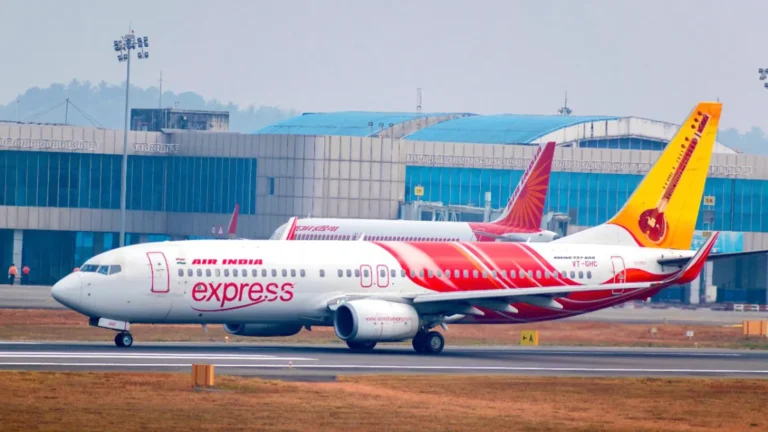
New Delhi, India – The Indian government has given preliminary approval to two new airlines to begin operations, in a strategic move aimed at boosting competition in one of the world’s fastest-growing aviation markets.
This decision came just weeks after operational disruptions faced by IndiGo, the country’s largest airline;
This prompted New Delhi to look for alternatives to reduce its excessive reliance on a single player in the market.
Strict regulatory process
In this context, informed sources reported that the Ministry of Civil Aviation gave the two companies
the green light to complete the necessary regulatory and technical requirements.
Since obtaining the final license requires meeting strict safety
and security standards, this approval is an essential preliminary step;
The authorities aim to ensure the readiness of the new companies
before officially launching commercial flights.
This ensures the protection of travelers’ rights and the stability of the sector.
The repercussions of the “Indigo” crisis
On the other hand, these government moves come as a direct response to the crisis that Indigo has faced.
The past few weeks have seen a wave of flight cancellations and delays that have sparked widespread discontent.
Accordingly, the crisis has once again highlighted the need to diversify the options available to travelers;
Especially since the rapid growth in domestic and international demand requires greater operational flexibility
that no single company can provide in isolation from competition.
Market forecasts
Furthermore, analysts believe that the entry of new players into the Indian market
will contribute to improving the quality of services and reducing ticket prices in the medium term.
As the government invests heavily in airport infrastructure, it has become necessary to
attract new investments and support startups;
This is to enhance the sector’s capacity, especially on high-density domestic routes.
India’s vision for aviation
New Delhi insists that supporting competition remains a top priority,
but without any compromise on aviation safety standards.
Experts are therefore watching closely to see how well the two new
companies will overcome regulatory hurdles.
This could change the air transport landscape in India and put an end
to the operational crises that have plagued travelers recently.