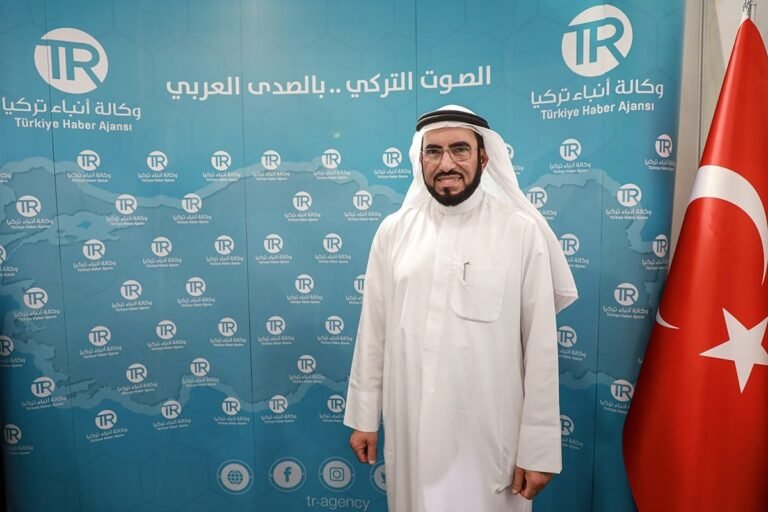
Kuwait – Kuwaiti authorities announced on Sunday the issuance of an Emiri decree revoking the citizenship of Kuwaiti Islamic preacher Tariq al-Suwaidan, a prominent figure in the Muslim Brotherhood in the Gulf region. The decision comes amid a long history of tension between al-Suwaidan’s activities and the Gulf states’ hardline policies toward the Brotherhood.
Al-Suwaidan’s journey and his support for the Muslim Brotherhood
Al-Suwaidan’s public profile intersects with the Gulf states’ strict policies against the Muslim Brotherhood. In August 2013, he was dismissed from his position as director general of Al-Resalah TV channel on suspicion of belonging to the group, sparking widespread media and political controversy. This pattern continued in the following years, with his name becoming associated with legal and media campaigns targeting the Brotherhood in the region.
Al-Suwaidan is known as a second-generation leader of the Muslim Brotherhood movement in Kuwait and the Gulf. He was actively involved with the Social Reform Society, the Brotherhood’s public arm in Kuwait, and contributed to solidifying the organization’s subordination to the Guidance Bureau in Egypt.
Due to his ideological leanings and political statements, rumors have circulated regarding his loyalty and national allegiance. This is a common tactic in regional political rivalries.
Sweden, terrorism, and chaos
In 2020, a report by the Maat Foundation revealed Al-Suwaidan’s role in supporting the international organization of the Muslim Brotherhood. He had trained more than 70,000 young people to serve the group’s goals.
A documentary titled “The Chaos Agenda” also revealed recordings of him inciting unrest in the Gulf states and Egypt. This occurred during his meetings with members of the Islamist movement in Khartoum in 2014.
Al-Suwaidan’s stances towards the UAE
Al-Suwaidan has long been a critic of Arab states, particularly the UAE, for serving the Muslim Brotherhood’s agenda. In 2012, he criticized the UAE’s stance on the preacher Yusuf al-Qaradawi and attacked Lieutenant General Dhahi Khalfan Tamim, then the Dubai Police Chief. He asserted that it was “permissible” to address senior religious figures in this manner. His statements sparked legal challenges and threats of prosecution from Khalfan, who affirmed he would pursue legal action against al-Suwaidan in Kuwaiti courts, citing his use of what he deemed offensive language.
Kuwait’s move comes within a broader Gulf context against the Muslim Brotherhood. In the UAE, the Cabinet adopted an official list of terrorist organizations in November 2014 under Federal Law No. 7 of 2014, which included the Brotherhood among banned entities.