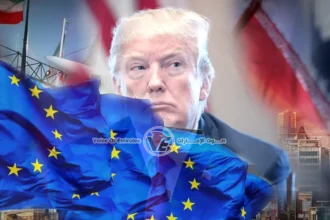
England, Britain – The Financial Times revealed that the United States has canceled the planned summit meeting in Budapest between US President Donald Trump and his Russian counterpart Vladimir Putin. This came after Moscow sent a memorandum to Washington outlining conditions that the US administration deemed “too stringent” for ending the war in Ukraine.
According to informed sources, Trump and Putin had agreed by phone earlier in October to meet in the Hungarian capital to discuss solutions to the conflict. However, subsequent diplomatic developments derailed the arrangements.
Russia’s hardening stance derails the summit
Following the initial agreement, the Russian Foreign Ministry sent a document reiterating its preconditions for ending the conflict. These conditions include territorial concessions from Kyiv, a significant reduction in the size of the Ukrainian armed forces, and formal guarantees that Ukraine will never join NATO.
The newspaper indicated that this hardening of the Russian position, which reached Trump after a conversation between Russian Foreign Minister Sergey Lavrov and US Secretary of State Marco Rubio, prompted Washington to cancel the meeting. The Financial Times quoted a source as saying that Trump “was not impressed with the Russian position.”
Signs of tension: Lavrov and Zelensky
American doubts about the feasibility of negotiating with Moscow have increased even before the Budapest meeting date was set, particularly due to “the absence of tangible signs of flexibility”.
Lavrov’s Aggressive Stance: Russian Foreign Minister Sergey Lavrov’s stance has been described as “extremely hostile.” During a tense meeting with Rubio on the sidelines of the UN General Assembly in New York, Lavrov reiterated his rhetoric describing Ukraine as being under the control of “Nazis.”
Trump’s annoyance: Reports indicate that the Russian leader annoyed Trump during a previous phone call. This occurred on October 16th when he boasted about alleged Russian military successes near the city of Kobyansk and the Oskil River.
Pressuring Kyiv: The day after the call with Putin, Trump reportedly pressured Ukrainian President Volodymyr Zelensky to make concessions to Moscow. He expressed his “weariness” with the Ukrainian issue.
Trump changes his stance again
The decision to cancel the summit reversed Trump’s stance, which had appeared more supportive of Russia just days earlier. He had announced the abandonment of the idea of supplying Tomahawk cruise missiles to Ukraine, describing them as “very dangerous weapons.”
With the meeting canceled, Trump returned to increasing pressure on Moscow. He imposed sanctions on Russia’s two main oil companies (Lukoil and Rosneft) and criticized Putin for conducting nuclear tests instead of engaging in serious negotiations.
Continued conditional openness
Despite the cancellation, US administration sources confirmed that President Trump remains “open to meeting with the Russians when and where he believes it is possible to make progress.”
In contrast, Moscow attempted to blame Ukraine and its European allies for the collapse of the negotiation process. It claimed that Washington had withdrawn its proposal for an immediate ceasefire in Budapest.