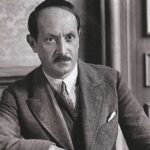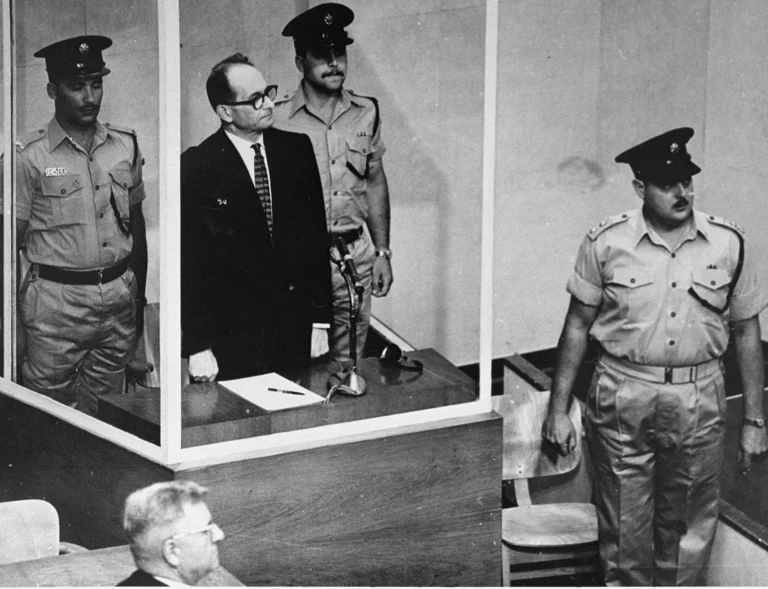
Jerusalem – Israel — Adolf Eichmann stands as one of the most prominent and notorious figures systemically linked to the atrocities of the Nazi regime during World War II. This military official played a pivotal, logistical role in organizing the mass deportation of millions of Jews to concentration and extermination camps, a record that subsequently transformed him into the primary target of the largest international intelligence manhunts for war criminals in history.
A Prolonged Flight to Argentina Under a Fabricated Identity
Following the collapse and unconditional surrender of Nazi Germany in 1945, Eichmann successfully evaded Allied capture and judicial prosecution for several years. He moved covertly across various European sectors before managing a definitive escape to Argentina using falsified travel documents and an assumed identity. Settling in South America, he maintained a quiet, near-normal existence away from the global spotlight, operating under the assumption that his wartime offenses were buried in the past and that he had permanently slipped through the fingers of global justice.
However, specialized intelligence assets and dedicated groups of Holocaust survivors refused to let the file close. They persistently tracked his movements and audited thin leads over years of grueling investigative fieldwork, until they precisely geo-located his secret residence in the suburbs of the Argentine capital, Buenos Aires. In 1960, Israeli intelligence operatives executed a highly sophisticated, covert tactical operation on foreign soil, resulting in his abduction, arrest, and clandestine extraction to Israel to stand trial.
A Diplomatic Standoff and a Trial That Captured Global Attention
The daring intelligence operation initially sparked intense international political and diplomatic friction due to its execution on sovereign Argentine territory without prior notification or coordination with local law enforcement. However, global focus rapidly shifted to the mechanics of the historic judicial proceedings themselves. The trial evolved into an unprecedented global event, shedding light on the thoroughly documented, systemic horrors of Nazi operations and broadcasting raw, haunting first-hand testimonies from death camp survivors.
Throughout the extensive court sessions, Adolf Eichmann faced a sweeping catalog of severe criminal indictments, including crimes against humanity, war crimes, and crimes against the Jewish people. Eichmann repeatedly sought to mitigate his legal culpability by mounting a bureaucratic defense, arguing that he was merely a low-level administrator “following the binding military orders issued by his Nazi superiors.” The judicial panel resolutely rejected this premise, ruling that he played a conscious, primary, and direct role in engineering the logistics of mass deportation and industrialized mass murder.
The Death Penalty and Cementing the Principles of Global Accountability
Following a comprehensive review of thousands of damning historical documents and listening to dozens of eyewitness accounts, the court delivered a definitive guilty verdict, sentencing him to death. The sentence was officially carried out via hanging in 1962, closing the book on one of the most famous, highly analyzed criminal profiles in the history of modern warfare.
The case of Adolf Eichmann continues to maintain a powerful presence across historical, political, and legal studies today. It serves as a foundational precedent proving that perpetrators of crimes against humanity can be hunted down and brought to justice regardless of time elapsed or distance traveled. Ultimately, the trial fundamentally shaped the architecture of modern international accountability, ensuring that the legacy of Nazi crimes remains permanently etched in global consciousness to act as a deterrent against future atrocities.