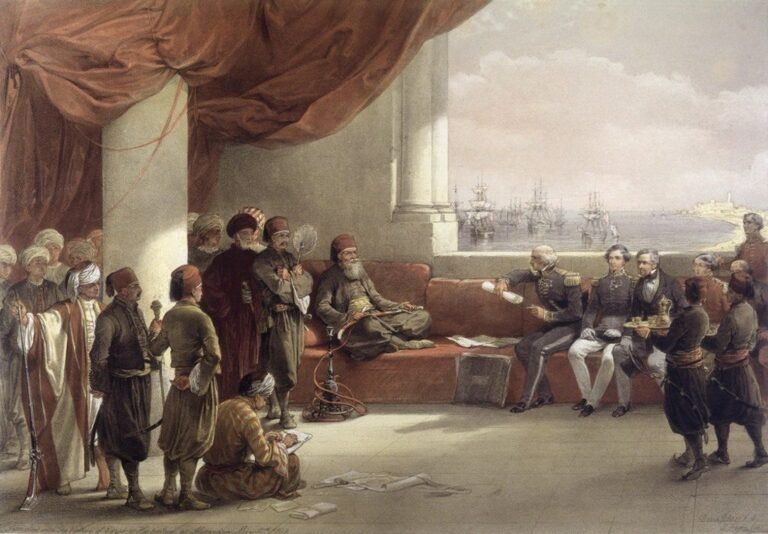
Cairo – The history of translation movement Egypt represents a critical turning point in modern intellectual history. The reign of Muhammad Ali Pasha marked the true launch of a massive knowledge project. This ambitious initiative relied primarily on transferring modern sciences from Europe. Translation became the primary tool for building the nascent Egyptian state in the nineteenth century.
Establishing Scientific Missions and Modern Schools
Muhammad Ali recognized early on the importance of science in building powerful standing armies. A modern state cannot be managed effectively without an advanced and sustainable scientific foundation. Therefore, the Pasha launched a major project to send scientific missions to European nations. These missions focused heavily on France to study medicine, engineering, and military sciences.
This strategic move resulted in the birth of a new generation of scientists and intellectuals. These graduates led the true foundational phase of an organized translation movement inside the country. Hundreds of foreign scientific books and references were smoothly translated into Arabic. This immense effort contributed to constructing a brand-new cognitive infrastructure that did not exist before. Muhammad Ali established modern schools relying entirely on these translated curricula. The School of Medicine and the School of Engineering emerged as strategic tools to reshape education and administration.
Forging the Intellect of the Modern Egyptian State
Historians believe this phase was not a mere conventional transfer of knowledge. It was the actual beginning of forging the intellect of the modern state within Egyptian society. Translation shifted from a limited individual effort into an organized institutional state project. The project aimed to build a competitive scientific power capable of confronting regional challenges.
The translation movement aided in drafting administrative laws regulating government institutions. These translated volumes established a solid scientific culture that drove the subsequent intellectual renaissance. Early translators participated in formulating a brand-new, unified Arabic scientific lexicon. This lexicon facilitated students’ comprehension of complex technical terminology.
A Sustainable Impact Extending Across Decades
The history of translation movement Egypt became the cornerstone of a sustainable cultural and cognitive renaissance. The impacts of this project extended to various aspects of daily and political life. This movement contributed significantly to shaping the cultural elite that later led the enlightenment era. Research institutes continue to study this unique intellectual legacy to this day. This history proves that openness to global sciences is the secret behind the rise of nations. Muhammad Ali’s project remains an inspiring model for building cognitive power.