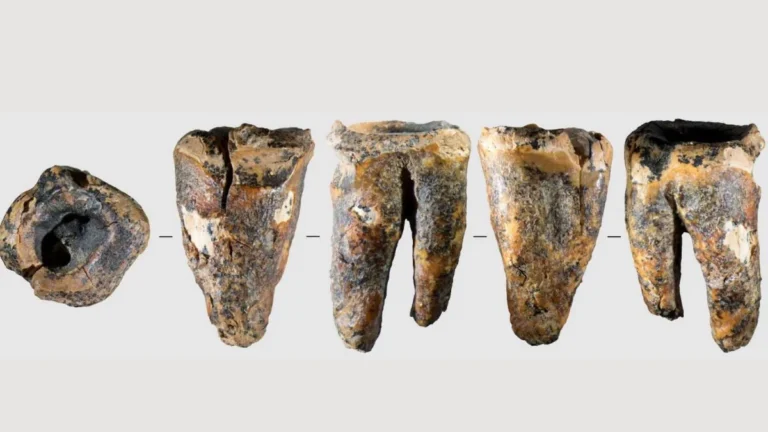
Siberia – A new archaeological breakthrough is redrawing the history of primitive dentistry among ancient human societies. Researchers in Russia discovered a well-preserved molar belonging to a Neanderthal individual. This tooth, excavated in deep Siberia, exhibits strange grooves and markings. The age of this unique specimen dates back approximately 60,000 years. These findings shocked scientific circles interested in medical anthropology.
Stone Tools for Pain Relief
Microscopic analysis of the tooth revealed entirely unnatural wear patterns. Scientists detected clear signs of intentional mechanical processing on the affected surfaces. Researchers believe that Neanderthals did not simply endure chronic health pains. These ancient humans attempted to manage oral diseases using innovative methods. They utilized pointed stone tools or small bones to clean teeth and remove decay.
This evidence confirms that our ancestors possessed excellent experiential therapeutic capabilities. These practices were not random but built on repeated attempts to relieve physical agony. The deep scratches indicate the ancient human’s persistence in cleaning dental gaps. These primitive tools successfully prevented the spread of dangerous infections within the human jaw.
Challenging Traditional Views of Ancestors
This discovery completely transforms the traditional stereotype surrounding Neanderthals. They are no longer viewed as primitive beings lacking organized health awareness. The find opens new pathways for re-evaluating medical practices throughout human evolution. The examination proves that medical treatments were not exclusive to Homo sapiens. These intelligent behaviors clearly extended to our ancient relatives in the human lineage.
Excavations prove that Neanderthal communities regularly shared therapeutic experiences. This social interaction helped transmit skills for making stone dental cleaning tools. Such behavior represents conclusive evidence of primary healthcare existence within primitive tribes.
Siberia an Exhaustless Archaeological Treasure
Archaeological specialists believe the Siberian site represents an invaluable repository of historical knowledge. The discovered tooth reflects the earliest stages of humans actively confronting organic illnesses. These primitive individual attempts evolved over centuries into highly specialized medical sciences. This research contributes significantly to understanding the development of human cognition and proactive medical behavior. The event highlights how healthcare originated in harsh prehistoric environments. The field remains rich with secrets that excavations continue to uncover in 2026.