
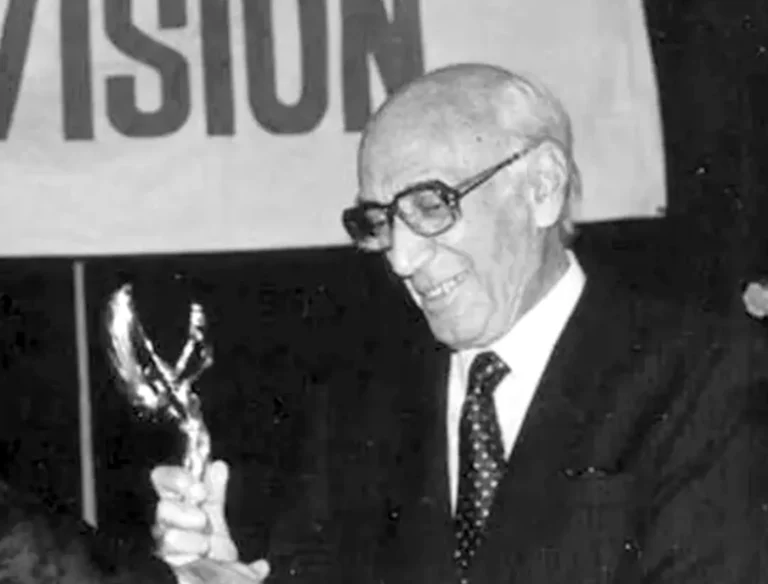
Cairo, Egypt – Today marks the anniversary of the passing of the great director Henry Barakat, one of the most prominent pioneers of Egyptian cinema. His artistic legacy spanned more than half a century. During that time, he established a unique school of cinematography and emotional expression. As a result, he rightfully earned the title “Poet of the Camera.”
Barakat, who was born in 1914 and passed away on May 27, 1997, gifted Arab cinema with dozens of timeless works. These films blended romance, social drama, and profound human emotion. Furthermore, he masterfully transformed literary texts into vibrant visual masterpieces.
The story of 18 films with the screen legend
Henry Barakat’s name is inextricably linked to an exceptional artistic relationship with the legendary Faten Hamama. Together, they formed a rare artistic duo and created 18 films. Among these are cinematic classics such as “The Nightingale’s Prayer,” “The Sin,” and “Mouths and Rabbits.”
In these films, Barakat demonstrated a unique ability to bring out the inner performances of actresses and to focus on the psychological nuances of their characters. This is what made his films with her landmarks in the history of cinema. It also cemented Faten Hamama’s status as a first-rate dramatic icon.
A self-contained art school
Barakat was distinguished by his refined visual sense and his skillful use of camera and lighting to enhance emotional impact. He was also known for his ability to direct actors and bring out their best performances. Furthermore, he was deeply concerned with social and humanitarian issues, particularly those related to women and marginalized groups.
Throughout his career, he directed more than 60 films. He collaborated with leading stars and writers, and contributed to shaping the sensibilities of entire generations of film enthusiasts.
On the anniversary of his passing, Henry Barakat remains a prominent name in the memory of Arab cinema. He was not only a director who created successful films, but also an artist who forged a unique cinematic language. He left behind an artistic legacy that continues to be studied and celebrated to this day.