Tehran, Iran – Iran’s healthcare system suffers from a chronic and structural shortage of approximately 100,000 nurses. This comes at a time when the system is facing increasing pressure. Despite the Ministry of Health’s announcement of an urgent need to recruit additional staff to address the deficit, administrative procedures and funding remain hampered by gradual and bureaucratic delays. This shortage is compounded by a wave of resignations, emigration, and retirements among qualified medical personnel. This places a heavy burden on current staff, who are forced to work excessive overtime. They also face difficult living conditions, requiring urgent government intervention to ensure the sustainability of healthcare services.
Employment contradictions and the emigration of skilled workers amidst harsh working conditions
Official data from the relevant ministries confirms that the nursing problem does not stem from a lack of qualified graduates, but rather from the healthcare system’s inability to attract and retain qualified personnel due to weak financial incentives and a lack of job security. Recently, thousands of nurses have left the sector, either through resignation or by emigrating in search of better working conditions. The healthcare sector compensates for this shortage by imposing excessive overtime on current employees. This has led to increased labor protests demanding adjustments to the salary system, payment of outstanding financial dues, and the termination of unfair temporary contracts that lack even the most basic job security.
The repercussions of successive crises, from the pandemic to security challenges
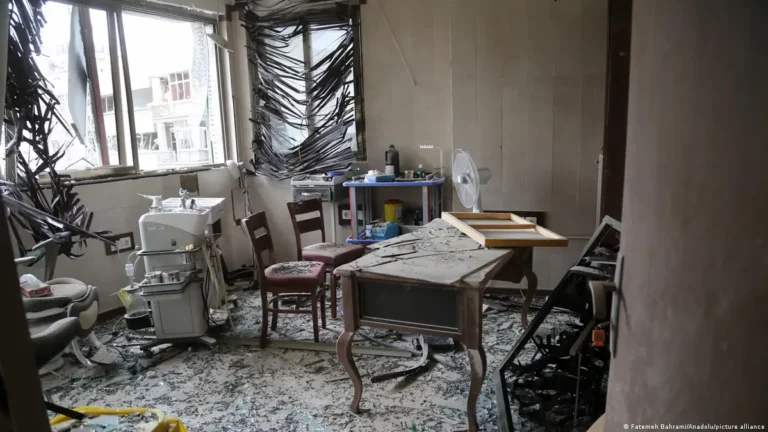
Successive crises, from the COVID-19 pandemic to internal conflicts and protests, have placed an immense burden on nursing staff, who have found themselves on the front lines in extremely dangerous conditions. Large numbers of nurses have suffered serious injuries or even death while performing their humanitarian duties. This has occurred amidst shortages of equipment and the constant influx of wounded and injured patients. These developments reveal the fragility of the healthcare infrastructure and its over-reliance on overstretched existing workforces without providing adequate support or job security to prepare for future emergencies.
Useful links for following the health sector and official services
For more official details on the latest developments in the health sector and public services, you can visit official government platforms and follow updates through the Iranian Students’ News Agency (ISNA). You can also follow reports and statements issued by relevant official bodies through the official Iranian government portal for decisions related to employment and the health sector.