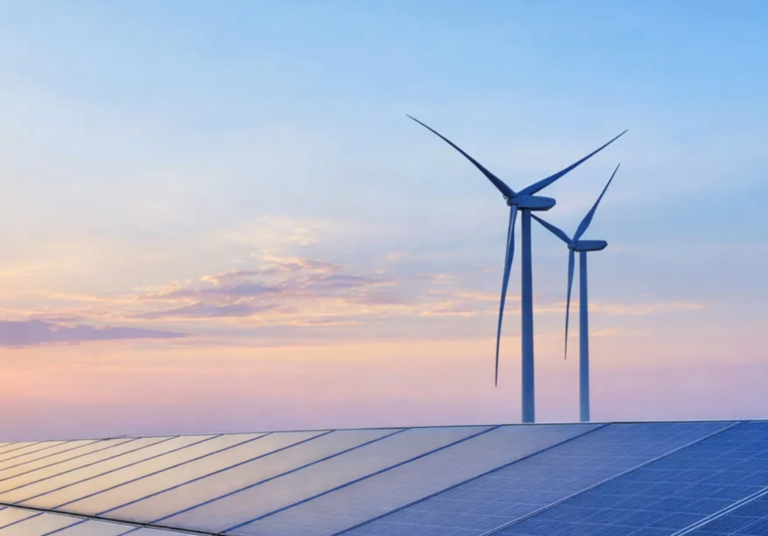
Abu Dhabi, UAE – The Department of Energy – Abu Dhabi launched the second phase of the solar energy self-supply policy. To include, for the first time, the residential sector in the Emirate of Abu Dhabi, including owners of villas and residential buildings where applicable. This allows them to generate, store and use electricity in their homes in an integrated manner with the network.
This comes within the framework of the department’s role in developing policies and regulatory frameworks that support the transition towards a more efficient and sustainable energy system. It promotes the adoption of smart and flexible solutions for energy production and consumption.
success of the first phase
This step builds on the success of the first phase of the policy, launched during the World Government Summit in February 2026 in Dubai. Which contributed to enabling farm, estate and rest house owners to benefit from solar energy solutions to generate and store electricity on their own to improve consumption efficiency.
This expansion reflects the increasing demand from traders to adopt renewable energy solutions. In line with national trends to meet the growing demand for energy through advanced solutions that serve all sectors.
The new phase focuses on enabling residential use through a simplified regulatory framework that facilitates installation and connectivity procedures with the network. In addition to unifying technical standards, ensuring the highest levels of safety and operating efficiency.
Consumption guide
In conjunction with the first phase, the Department of Energy – Abu Dhabi issued a guide for devices and systems that are highly efficient in consuming electrical energy. This provides a practical framework that helps individuals and organizations select, purchase, and operate more efficient solutions, based on actual performance data and overall lifecycle costs.Which supports a more efficient and sustainable decision-making process in the long term.
This guide covers the key systems that impact consumption efficiency, including air conditioning, refrigeration, water heating, lighting, electrical appliances, pumps, motors, and irrigation systems. It focuses on best operational practices, intelligent control solutions, and regular maintenance, which contribute to reducing energy and water consumption, reducing peak loads, and enhancing economic and environmental efficiency.
Reduce network pressure
The policy allows subscribers to cover a large portion of their daily energy consumption during daylight hours, with the ability to store it in batteries, which significantly reduces pressure on the network and improves electrical load management across the emirate.
This policy reflects the Department of Energy – Abu Dhabi’s drive to accelerate the adoption of energy solutions. In a way that supports the efficiency of the system and contributes to achieving the goals of the Energy and Water Efficiency Strategy 2030 in the emirate. It embodies an integrated approach that combines regulatory policies, technical solutions, and behavioral guidelines to enhance consumption efficiency at both the user and system levels.