Tangier, Morocco – African and international organizations have warned of escalating pressure on African economies due to the ongoing conflict in the Middle East. They emphasized that the sharp rise in energy, food, and fertilizer prices, coupled with the depreciation of 29 African currencies, is exacerbating economic fragility. Moreover, this situation is threatening food security in several countries.
This came in a joint briefing issued by the African Development Bank, the African Union Commission, the United Nations Development Programme, and the United Nations Economic Commission for Africa. The briefing was released on the sidelines of the 58th session of the Economic Commission for Africa, held in Tangier, Morocco. In the briefing, officials from the four institutions discussed the implications of regional developments on the continent’s economies. They also outlined key findings of an upcoming report on crisis response and resilience building.
Warnings of accelerated shock transmission
The Chairperson of the African Union Commission, Mahmoud Ali Youssouf, stated that the continued escalation of the conflict is exacerbating global instability. He explained that it has serious repercussions for energy markets, food security, and economic resilience. This is particularly true in Africa, which continues to face severe economic pressures.
The report indicated that current shocks are spreading more rapidly and through more concentrated channels than previous global crises. This, it stated, reduces the window of opportunity available for African economies to adapt. At the same time, the effects of these developments are already being felt in markets and households in several countries. Therefore, swift and effective policy action is imperative.
Oil, currencies, and fertilizers
The report explained that global oil prices rose by more than 50 percent by the end of March, while 29 African currencies depreciated. This increased the cost of servicing external debt and raised the import bill for food, fuel, and fertilizers.
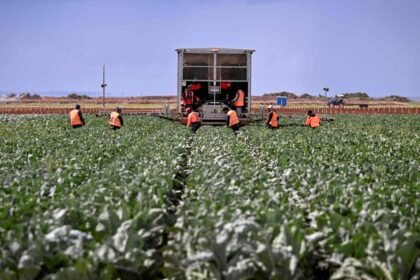
He also noted that disruptions to energy supplies from the Gulf region are limiting access to ammonia and urea during the critical growing season between March and May. As a result, this could negatively impact agricultural production and increase the risk of food insecurity reaching critical levels. This is particularly true for low-income households and import-dependent economies.
Calls for an urgent response
UN Under-Secretary-General and Executive Secretary of the UN Economic Commission for Africa, Claver Gatete, affirmed that Africa has been subjected to numerous external shocks for which it bears no responsibility. He stressed that the current situation demands decisive action to protect the population. Furthermore, he emphasized the need to accelerate the continent’s efforts in the areas of energy security, food sovereignty, and financial independence.
For her part, UN Assistant Secretary-General and Regional Director for Africa at the United Nations Development Programme, Ahuna Ezekunwa, said that the current moment calls for effective leadership from within Africa and from its partners. She believes that the continent, through the right mix of policies, financing tools, and political will, is capable of overcoming the current shock. She also believes it is capable of emerging stronger and more self-reliant.
Three routes of movement
The joint memorandum called for coordinated action on three key levels, including immediate measures to alleviate the burden on households and stabilize fuel, food, and fertilizer supplies, with support from development partners and the private sector. It also recommended launching medium-term reforms to strengthen energy security and targeted social protection. Furthermore, it recommended boosting regional trade within the framework of the African Continental Free Trade Area.
It also recommended long-term structural reforms aimed at strengthening domestic resource mobilization and building African financial safety nets. The recommendations also included accelerating the implementation of the African Financial Stability Mechanism.
The President of the African Development Bank Group, Sidi Ould Tah, emphasized that the multiplicity of global crises necessitates a shift in Africa’s approach from simply managing shocks to building resilience. He stressed the need for African institutions and development partners to act swiftly and in a coordinated manner to mitigate immediate repercussions. Furthermore, he underscored the importance of laying a more robust foundation for the future. The four institutions also emphasized that strengthening regional integration, accelerating African financing solutions, and intensifying investment in the resilience of the energy, food, and trade sectors would propel the continent from a state of vulnerability to a higher level of preparedness and resilience.