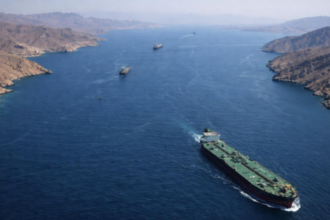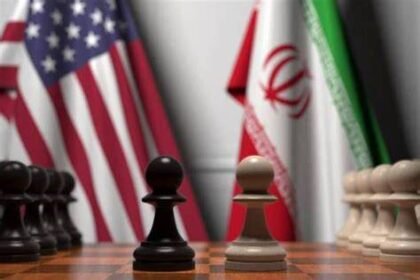
Hong Kong, China – Asia-Pacific stock markets saw significant declines on Friday, impacted by a volatile session on Wall Street and the uncertain geopolitical landscape in the Middle East. This occurred despite a “temporary truce” announced by US President Donald Trump toward Tehran. Markets opened following Washington’s extension of the deadline for targeting Iranian energy infrastructure by an additional 10 days. This deadline will expire on April 6. Trump explained via TruthSocial that the decision came at the request of Iran in exchange for a “gift” of allowing 10 oil tankers to pass through the Strait of Hormuz. He asserted that negotiations were “going very well,” despite Iran’s denial of direct talks. However, Tehran rejected a 15-point US proposal.
Asian markets reflected concerns over Tehran’s counter-demands, primarily the recognition of its sovereignty over the Strait of Hormuz. South Korea led the decliners, with its Kospi index falling 3.6%. Japan’s Nikkei index dropped 1.6%, marking its fourth consecutive weekly loss. Australian, Hong Kong, and Chinese markets also saw slight declines, ranging from 0.2% to 0.42%. This followed the S&P 500 in New York experiencing its largest single-day drop since the beginning of 2016.
In the energy market, fears of a full-blown conflict temporarily eased, leading to a decline in oil prices. West Texas Intermediate crude fell 1.8% to $92.82 a barrel, while Brent crude dropped 1.92% to $105.90 a barrel. This decline in crude prices contributed to a slight recovery in US futures. Dow Jones futures rose 175 points.
Analysts believe markets are experiencing a “concerned correction.” They are also awaiting the outcome of the secret and public negotiations between Washington and Tehran. This comes amid a continuing gap between American demands and Iranian reservations. Therefore, the stability of the global economy remains contingent on the diplomatic results of the next ten days.