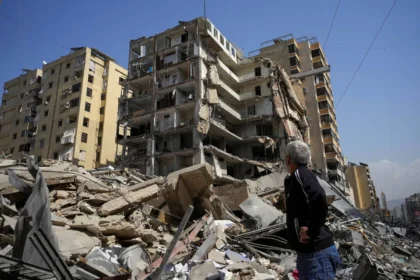

Washington, DC – Oil prices continued their upward trend on Sunday amid escalating tensions and conflict in the Middle East. This has heightened investor concerns about the potential for prolonged disruptions to global energy supplies.
A few minutes after trading opened on the Chicago Board of Trade, around 10:30 PM GMT, West Texas Intermediate (WTI) crude, the US benchmark, rose 2.43% to $100.11 a barrel. Brent crude, the global benchmark, also climbed 2.82% to $106.05 a barrel.
This rise comes at a time when markets are closely monitoring developments in the Middle East crisis, given the region’s strategic importance in oil production and exports. Therefore, any large-scale military escalation or threat to shipping in vital waterways is quickly reflected in prices. Traders add what is known as a “risk premium” to the market. They do this in anticipation of any potential supply shortages.
The sensitivity of oil markets stems from the fact that the Middle East is home to some of the world’s largest producers and exporters. Furthermore, a significant portion of crude oil shipments pass through major sea lanes. Therefore, concerns are not limited to direct production declines but also include potential disruptions to transportation and insurance. Additionally, there are increased shipping costs. This drives prices up even before any actual supply shortages materialize.
Oil prices are also typically influenced by strong psychological factors during geopolitical crises, as investors quickly reassess future risks. Furthermore, if tensions persist or conflicts escalate, markets may remain under upward pressure. This is especially true if there are signs of dwindling inventories or difficulty in quickly compensating for any shortfall in global supply.